
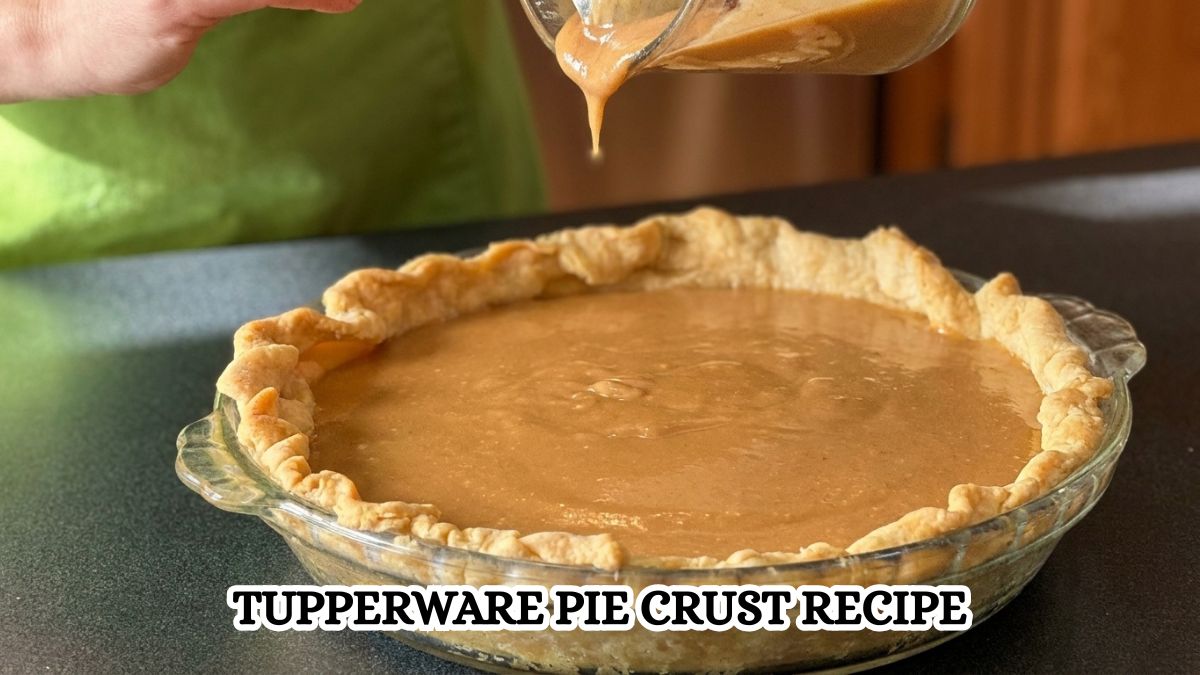
Tupperware Pie Crust Recipe
My favorite Tupperware Pie Crust Recipe comes from my aunt, who used her old Tupperware during her visits. To make the dough, shake the ingredients in a bowl. You don’t need a pastry cutter or cold butter, and this method has worked well for years. The crust will be flaky, tender, and easy to roll out, making it great for beginners.
This recipe yields a buttery, tender crust. If you struggle with tough dough, shrinking crusts, or pastry that won’t come together, this method is easy and reliable. Instead of overworking the dough, gently mix the ingredients in a Tupperware container. This keeps the mess to a minimum and gives you a smooth crust.
You can use this crust for anything from apple pie to chicken pot pie, and it always comes out golden and crisp. The texture is delicate but strong enough to hold rich fillings, and the buttery flavor is delicious.
This method makes it easy to make pastry from scratch, especially for beginners. The dough is forgiving, and the process is easier than traditional pie crust methods. Learning to make a good pie crust is an important skill, and this Recipe will become a trusted favorite.
The Secret to a Flaky Tupperware Pie Crust
To make a flaky pie crust in Tupperware, focus on the type of fat and how you prepare the crust. You can use oil or shortening. Oil makes the crust crumbly and tender, while shortening makes it flakier with visible layers. Many bakers prefer shortening for fruit pies and oil for quiches or pot pies.
The type of flour you choose is also important. All-purpose flour is great for good texture. If you want a lighter crust, some bakers mix all-purpose flour with pastry flour. Avoid bread flour because it has too much protein, making the crust chewy.
Another key tip is to use cold water. Cold water helps reduce gluten formation. Always use ice water when the recipe calls for water, and add it 1 tablespoon at a time. Too much liquid makes the dough sticky, while too little makes it crumbly and hard to roll out.
Finally, let the dough rest. After you shape it into a ball, let it rest for at least 15 minutes before rolling it out. This resting step relaxes the gluten, making the dough easier to work with. A rested dough rolls out smoothly and holds its shape in the pie plate.
How This Recipe Compares to Other Pie Crust Methods
The Tupperware pie crust recipe is a strong choice compared to homemade and store-bought options. It is faster and easier than a traditional butter pie crust, which needs cold fat and careful technique. The Tupperware method takes away most of the guesswork.
When comparing homemade crust to store-bought refrigerated crust, homemade is better in terms of flavor and ingredients. Store-bought crusts often have preservatives and unhealthy fats. This recipe uses simple pantry ingredients with no additives. Making a Tupperware pie crust costs much less than buying one, and the result tastes fresher and cleaner.
Ingredients You Need for This Tupperware Pie Crust
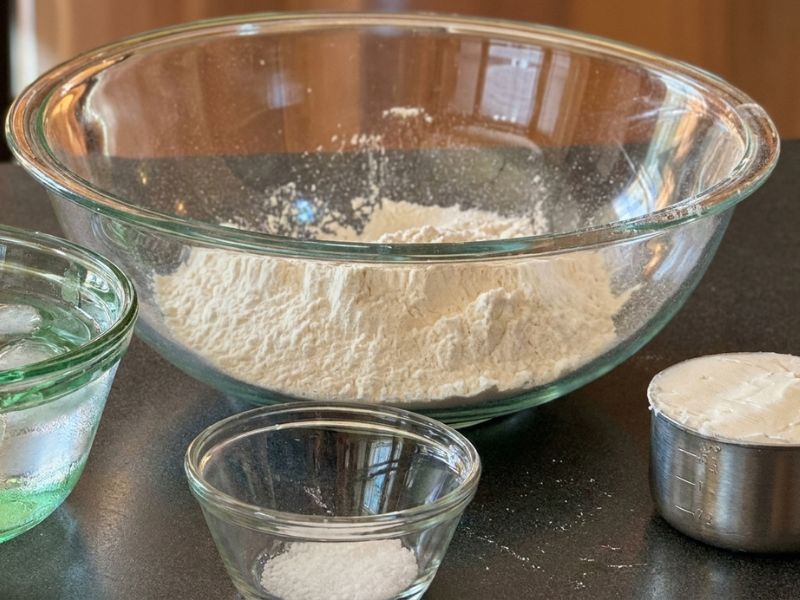
All-Purpose Flour (2 Cups): This flour is the main ingredient for your pie crust. It gives the crust its shape and body. When measuring, gently spoon the flour into a measuring cup and level it off with a straight edge. Avoid packing the flour too tightly, as it can make the crust heavy and dense rather than light and flaky.
Salt (½ Teaspoon): A small but important ingredient that enhances the crust’s flavor. Without it, the crust may taste bland. You can use fine sea salt or regular table salt, as both will enhance the taste.
Baking Powder (½ Teaspoon): This ingredient helps the crust become lighter and more tender as it bakes. It allows the dough to rise slightly, giving it a nice texture that complements the filling.
Shortening (¾ Cup): Shortening is the main fat in this recipe and is key to creating flakiness. It helps the crust layers form and prevents them from losing their shape while baking. Shortening offers a texture that butter alone cannot provide.
Butter (2 Tablespoons): A small amount adds a creamy flavor and enhances the crust’s overall taste. The combination of shortening and butter creates a perfect balance of richness and lightness.
Cold Water (6 Tablespoons): Cold water binds the dough while keeping it light. Use ice-cold water from the refrigerator to prevent the fats from melting too quickly. This ensures a tender crust that will flake nicely when baked.
Tools You Need for This Recipe
- Large Tupperware Bowl with a Lid: This is the best container for mixing ingredients. Any big, food-safe bowl with a lid will work well.
- Dry Measuring Cups: Use these to measure flour accurately. Having a reliable set is important for the recipe.
- Liquid Measuring Cup: This is great for measuring cold water to make sure you have the right amount.
- Rolling Pin: A standard wooden or French rolling pin is best for rolling out dough smoothly.
- Lightly Floured Pastry Mat or Wax Paper: This will help stop the dough from sticking, making it easier to roll out.
- 9-Inch Pie Plate: Choose a glass or ceramic pie plate. These materials help the crust brown evenly.
- Fork: This is important for crimping the edges of the pastry and for blind baking, making it essential for making pies.
How to Make Tupperware Pie Crust
1. Mix Ingredients: Gather your ingredients. In a large Tupperware bowl, measure 2 cups of all-purpose flour. Add ½ teaspoon of salt and ½ teaspoon of baking powder. Then add ¾ cup of shortening and 2 tablespoons of butter. Finally, pour in 6 tablespoons of ice-cold water.
2. Seal and Release Air: Put the lid on the Tupperware bowl and seal it tightly. Gently press the lid to release some air. This helps keep the dough from drying out. Hold the bowl and shake it vigorously until the ingredients form a ball of dough.
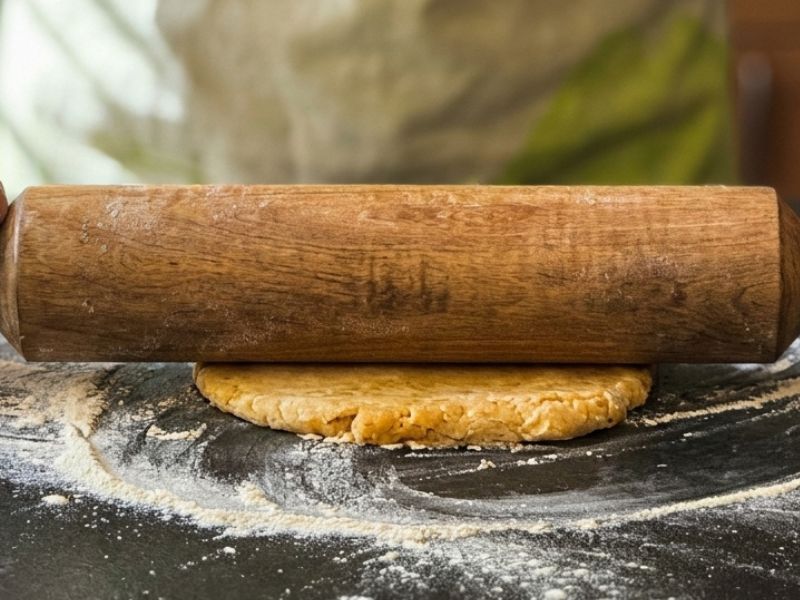
3. Roll Out the Dough: Remove the dough from the Tupperware. Place it on a lightly floured surface or between two sheets of wax paper. Use a rolling pin to flatten the dough to your desired thickness, then move it to your pie plate.
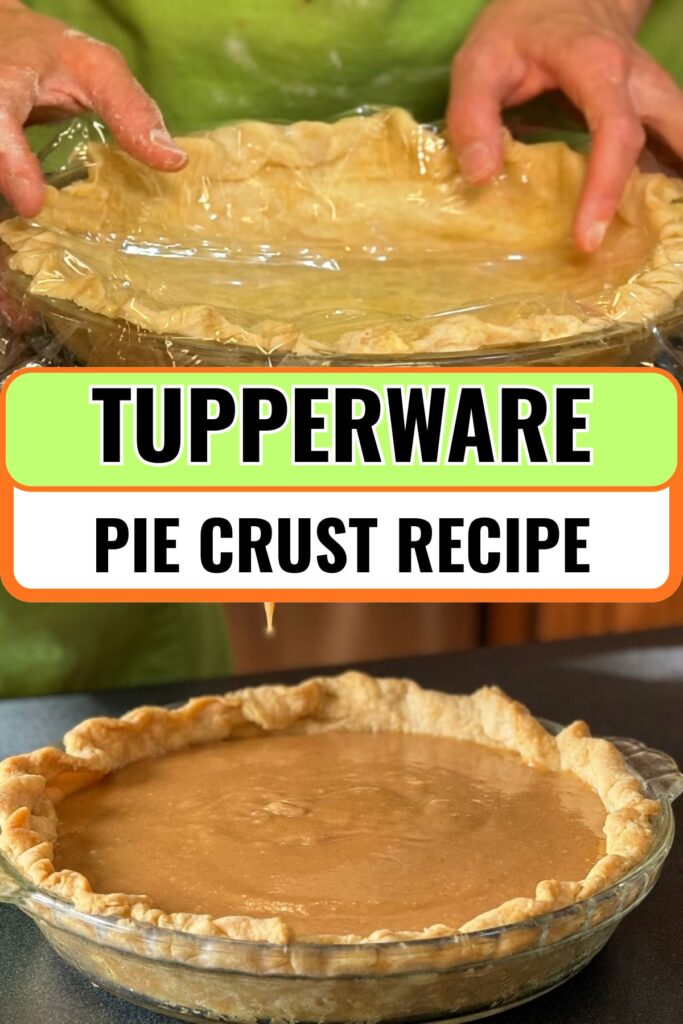
4. Place the dough in the Pie Plate: Lift the dough and fit it into your pie plate. Press down gently to shape it. Trim any extra dough from the edges for a clean finish. You can crimp the edges with your fingers or a fork.
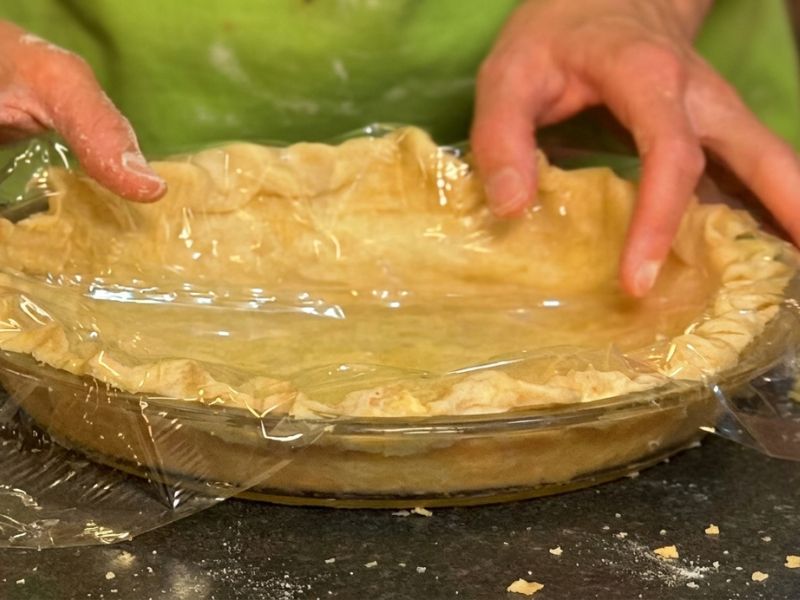
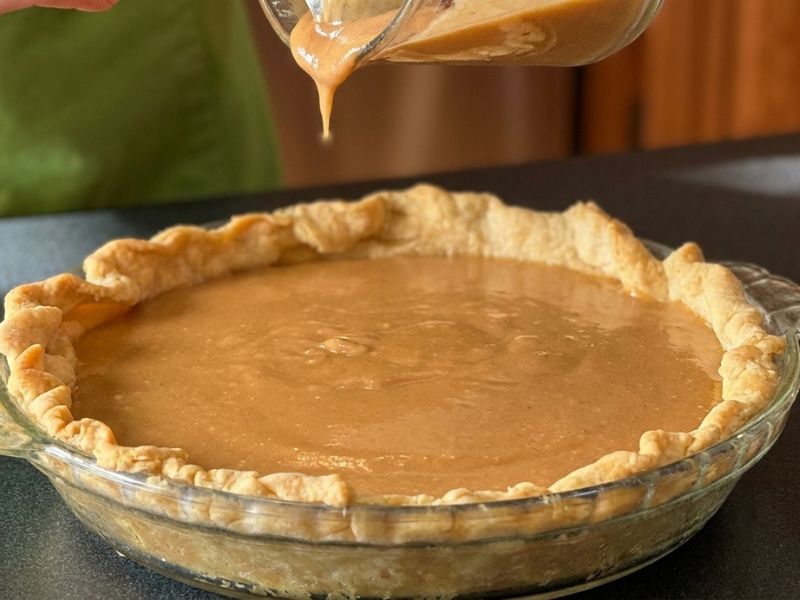
5. Fill or Pre-Bake the Crust: Add your pie filling and bake as directed in your recipe. If you’re making a cream pie or a no-bake filling, pre-bake the crust. Preheat your oven to 400°F and bake for 12 to 15 minutes, or until the crust is lightly golden. Enjoy your homemade pie with a fresh crust!
Tips, Tricks, and Common Mistakes to Avoid
Always use cold water: warm water speeds up gluten development. Use ice-cold water from the fridge.
Don’t shake the dough too much; just enough to form a ball. Too much shaking toughens the crust by developing excessive gluten.
Let the dough rest before rolling it: After you shape it into a ball, let it sit on the counter for 10 to 15 minutes. This makes it easier to roll out.
Roll the dough between wax paper: Rolling on a floured surface can cause sticking and tearing. Wax paper allows for a cleaner transfer.
Avoid stretching the dough in the pie plate: If you do, it will shrink while baking. Lay it gently on the plate and let it settle.
Poke holes in crusts that you blind-bake: Use a fork to prick the bottom and sides before pre-baking. This stops the crust from puffing up unevenly.
Measure flour correctly: Don’t scoop flour directly from the bag, as it compacts the flour. Spoon the flour into your measuring cup and level it off with a straight edge.
Delicious Variations on Tupperware Pie Crust
Tupperware Pie Crust Recipes: There are many Tupperware pie crust recipes, each with a unique twist from different demonstrators.
Simplest Version: The easiest recipe uses vegetable oil, flour, salt, and cold milk or water. It mixes quickly, creating a soft dough that is easy to work with.
Shortening-Based Version: This version uses solid shortening, like Crisco. It creates a flakier crust that holds its shape better when baked.
Vinegar Version: This recipe adds white vinegar, which makes the crust more tender by weakening the gluten. Many bakers prefer this method.
7UP Version: Using 7UP adds carbonation, which creates small air pockets in the dough. This results in a light and tender crust with a hint of sweetness, perfect for fruit pies.
Choosing the Right Version: All these versions work well. Pick one based on the pie you are making and the texture you want.
Sweet Pie Crust: To make a Sweet Pie Crust, add 1 tablespoon of powdered sugar and ¼ teaspoon of cinnamon to the flour before mixing. This crust is great for apple, cherry, or peach pies.
Savory Herb Crust: For a Savory Herb Crust, mix in ½ teaspoon of garlic powder and 1 teaspoon of dried thyme. This crust is good for quiche or chicken and turkey pot pies.
Whole-Wheat Version: Replace half of the all-purpose flour with whole-wheat flour. This crust will be denser and nuttier, suitable for rustic fruit pies.
Mini Tart Shells: To make Mini Tart Shells, press small portions of dough into a muffin tin instead of a full pie plate. Blind-bake for 10 minutes, then fill with custard, lemon curd, or fresh fruit for small desserts.
Three-Ingredient Version: For a Three-Ingredient Version, use flour, salt, and oil, adding enough cold water to bring the dough together. This simple recipe is good for pot pies where a plain crust is best.
What to Pair with Your Tupperware Pie Crust
The crust is just the outer layer; the filling and sides are what make the meal or dessert satisfying. For sweet pies made with this Tupperware pie crust recipe, adding a scoop of vanilla ice cream or a dollop of whipped cream enhances the flavor.
Apple pie pairs well with sharp cheddar on the side, a classic choice in the Midwest and New England. For savory dishes like quiche or pot pie, pair them with a simple green salad and light vinaigrette to balance the meal. A warm cup of soup alongside turkey pot pie made from this crust feels hearty and comforting.
For no-bake cream pies, adding fresh berries or a light fruit sauce on the plate brings color and freshness. This crust is versatile and pairs well with many different fillings.
How to Store and Freeze Pie Crust Dough
After you make the dough ball, wrap it tightly in plastic wrap. It will stay fresh in the refrigerator for up to 3 days. Before you roll it out, let it sit at room temperature for about 10 minutes to soften.
For unrolled dough, wrap the dough ball in plastic wrap, then in aluminum foil. Label it with the date. It will keep well in the freezer for up to 3 months. Thaw it overnight in the refrigerator before using.
For pre-rolled crust, roll out the dough and place sheets of parchment paper between the layers. Stack them in a zip-top freezer bag. This makes it easy to grab a crust when you need one. Thaw it in the refrigerator for several hours or overnight.
If you have a fully baked and cooled crust, it can stay at room temperature for up to 2 days, loosely covered. Refrigerate it if your filling needs it.
Tupperware Pie Crust Recipe
This easy Tupperware Pie Crust Recipe makes a flaky, tender crust by shaking ingredients in a bowl. No pastry cutter needed, perfect for beginners!
Ingredients
- 2 cups All-purpose flour
- ½ teaspoon Salt
- ½ teaspoon Baking powder
- ¾ cup Shortening
- 2 tablespoons Unsalted butter
- 6 tablespoons Ice-cold water
Instructions
- Gather your ingredients. In a large Tupperware bowl, measure 2 cups of all-purpose flour. Add ½ teaspoon of salt and ½ teaspoon of baking powder. Then add ¾ cup of shortening and 2 tablespoons of butter. Finally, pour in 6 tablespoons of ice-cold water.
- Put the lid on the Tupperware bowl and seal it tightly. Gently press the lid to release some air. This helps keep the dough from drying out. Hold the bowl and shake it vigorously until the ingredients form a ball of dough.
- Remove the dough from the Tupperware. Place it on a lightly floured surface or between two sheets of wax paper. Use a rolling pin to flatten the dough to your desired thickness, then move it to your pie plate.
- Lift the dough and fit it into your pie plate. Press down gently to shape it. Trim any extra dough from the edges for a clean finish. You can crimp the edges with your fingers or a fork.
- Add your pie filling and bake as directed in your recipe. If you're making a cream pie or a no-bake filling, pre-bake the crust. Preheat your oven to 400°F and bake for 12 to 15 minutes, or until the crust is lightly golden. Enjoy your homemade pie with a fresh crust!
Nutrition Information:
Yield:
8Serving Size:
1Amount Per Serving: Calories: 230
The Tupperware Pie Crust Recipe is popular for a good reason. It is easy to make, reliable, and yields a tender, flaky crust that rolls out smoothly. I recommend starting with the oil-based version and then trying the shortening version once you feel comfortable with the shake method.