Ling Ling Potsticker Sauce Recipe
Not every potsticker sauce gives you the same feeling. Some homemade versions turn out thin, bland, or oddly sweet.
Bottled sauces are hit or miss too, since flavor shifts from bottle to bottle. Once the good batch runs out, dinner never quite feels finished.
I started making Ling Ling potstickers on busy weeknights, back when cooking felt like one more chore on the list. The little sauce packet always disappeared fast in our house.
My husband would scrape the last drops onto his plate before I even sat down. More than once, we ran out mid-meal with potstickers still waiting on the stove.
That gap is what pushed me to figure out a homemade version. I wanted something I could make in the time it took the potstickers to cook, using pantry staples instead of a special trip to the store.
This Ling Ling Potsticker Sauce Recipe grew out of that habit. It fills in for the packet on the nights it runs short, and it keeps the same quick, no-fuss spirit that made the packet convenient in the first place.
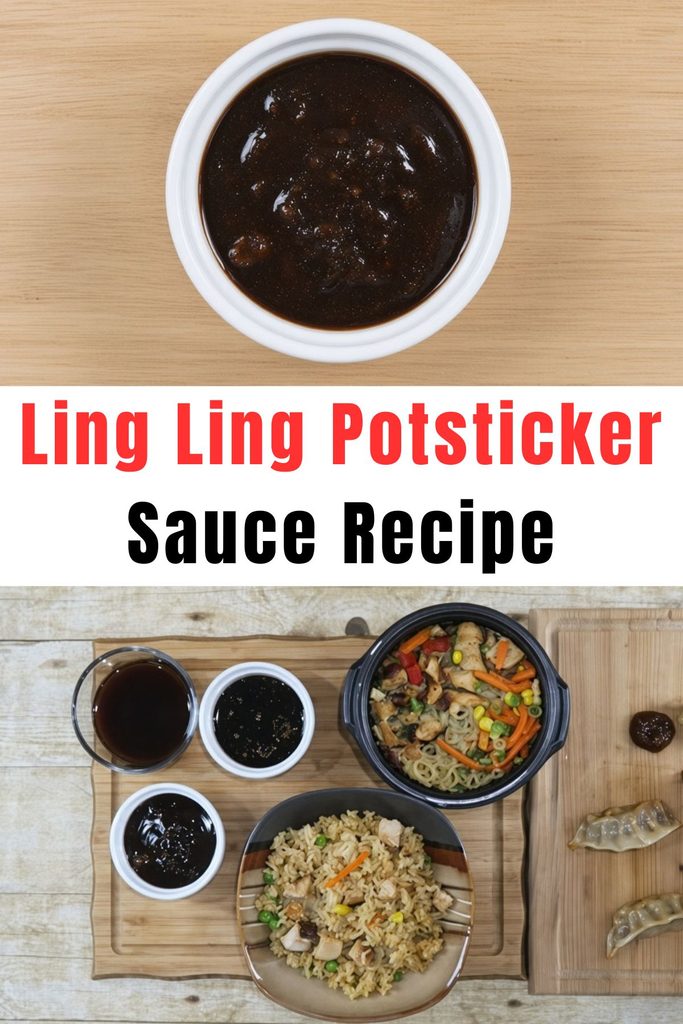
The Sweet Versus Savory Argument
Ling Ling sells its potstickers with a savory dipping sauce. Yet sugar is the third item on the label. That is a generous use of the word.
Home cooks split into two camps. One wants a thin, salty dip with vinegar and hardly any sugar. The other wants a sticky glaze that tastes closer to honey garlic. Neither camp matches the packet exactly.
One video I watched made two separate sauces. The sweet one used ketchup and crushed pineapple. The savory one leaned hard on garlic, and the host found it too strong.
My verdict sits in the middle. Molasses bring dark sweetness without ketchup or pineapple. My sister prefers savory dips and still asked for a jar. The sweet camp can find a pineapple version below.
Ingredients for Ling Ling Potsticker Sauce
1. ⅓ cup liquid aminos: This is the salt and the dark base of the whole sauce. Bragg is the bottle I buy, and its label lists only soybeans and water. It tastes a touch milder than the packet’s soy base, so the molasses stays small.
Shake the bottle before measuring, since the salty part settles. Coconut aminos work in place of it, though the sauce turns much sweeter and needs 1/2 teaspoon of salt.
2. ¼ cup unseasoned rice vinegar: Vinegar cuts the sugar so the sauce never turns flat. Marukan is the brand on my door shelf. Seasoned rice vinegar already carries sugar and salt, so it throws the balance off.
Distilled white vinegar sits closer to the packet. Use 3 1/2 tablespoons, since it runs sharper, and add the missing half tablespoon as water.
3. ¼ cup plus 2 tablespoons water, divided: The larger part loosens the aminos and vinegar in the pot. The rest wets the cornstarch, so keep it cold. I pour mine from a Brita pitcher, though plain tap water works fine.
4. 3 tablespoons plus 1 teaspoon packed dark brown sugar: Sugar balances the vinegar and gives the sauce body. C&H is my usual bag. Press it firmly into the spoon, because loosely spooned sugar measures light and the sauce turns sharp.
Light brown sugar works in the same amount. The sauce ends up one shade paler.
5. 1 teaspoon un-sulphured molasses: One small spoon supplies the packet’s dark color and slightly bitter edge. Grandma’s Original is the jar in my pantry. Measure it right over the pot, since it clings to the spoon.
Leave it out and the sauce turns a lighter brown without that bitter note. Add 1/2 teaspoon more brown sugar to keep the balance.
6. 1 medium garlic clove, finely grated: That comes to a scant teaspoon. Grated garlic melts into the hot liquid, so nobody bites into a raw chunk. Christopher Ranch heads stay firm for weeks in my pantry.
Garlic powder works in place of fresh. Use ½ teaspoon. The sauce reads flatter, which is closer to the packet.
7. ¼ teaspoon ground ginger: It adds gentle warmth without the fibrous bits of fresh root. It also stands in for the packet’s unnamed spices. McCormick is what I keep. Stale ginger tastes like dust, so sniff the jar first.
Fresh ginger, grated, is fine too. Use ½ teaspoon and expect a brighter, sharper note.
8. 1 teaspoon toasted sesame oil: It goes in last, because heat dulls its roasted smell. Kadoya, in the small brown bottle, is my pick. Plain sesame oil is nearly scentless, so look for the word toasted on the label.
9. 4 teaspoons cornstarch: This turns the thin liquid into a glossy coat that clings to dumplings. Argo is the yellow box in my cupboard. Keep the box sealed, since damp starch forms clumps in the slurry.
Arrowroot works in the same amount. It thickens at a lower heat but turns slimy when simmered too long.
10. ½ teaspoon toasted sesame seeds (optional): They add a tiny crunch and a nutty smell on top. McCormick sells them already toasted. Raw white seeds need 90 seconds in a dry pan, until they smell like popcorn.
Essential Equipment for Making Potsticker Sauce
- Small saucepan: 1-quart, stainless or nonstick
- Silicone whisk: reaches the pan corners
- Microplane grater: turns garlic to paste
- Measuring spoons: level, not heaped
- Small bowl: holds the slurry
- Glass jar: tight lid, 8 ounces
How to Make Ling Ling Potsticker Sauce
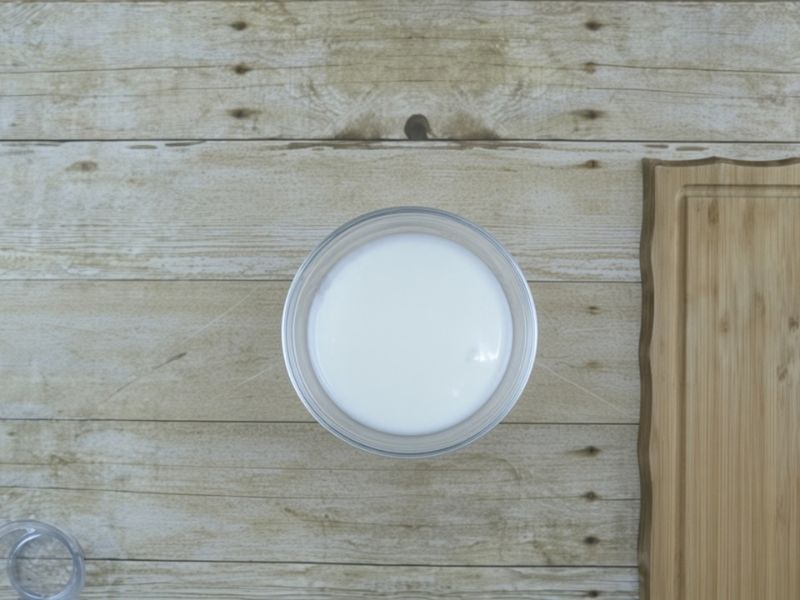
1. Whisk the Slurry: Whisk 4 teaspoons of cornstarch into 2 tablespoons of cold water in a small bowl. Set it beside the stove. It should look like thin milk, with no grit on the bottom.
On my first batch, I tipped dry cornstarch straight into the pot. It formed rubbery white beads that no whisk could break.
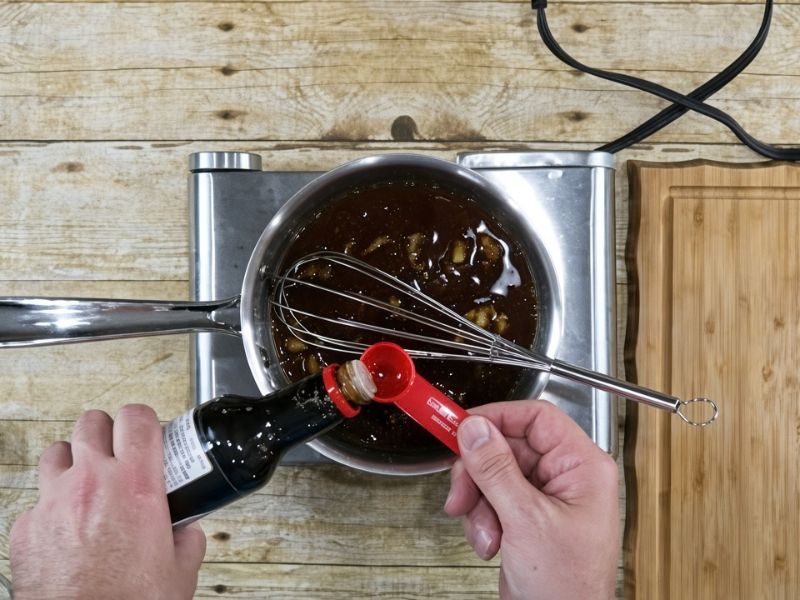
2. Make the Base: Add the liquid aminos, vinegar, ¼ cup water, brown sugar, molasses, garlic, and ginger to a 1-quart saucepan. Whisk while everything is still cold. The molasses lets go of the whisk faster this way.
I used my dented Cuisinart saucepan, the one with the loose handle. The garlic goes in as a Microplane paste, so it spreads evenly.
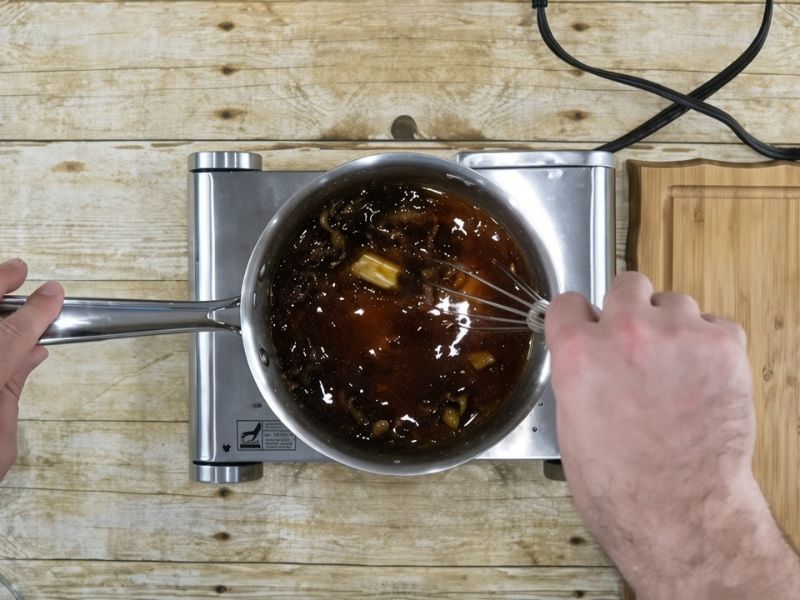
3. Simmer Gently: Set the burner to medium. Bring the base to a gentle simmer, about 3 1/2 minutes, until the sugar grains disappear.
Small bubbles should ring the edge of the pan. Skip a hard boil, because it steams off the vinegar and the tang turns dull. Steam fogged my glasses on a rainy afternoon.
4. Thicken: Lower the heat. Stir the slurry again, then pour it into the pan in a thin stream while whisking. Simmer for 70 seconds. The sauce is ready when it coats the back of a spoon.
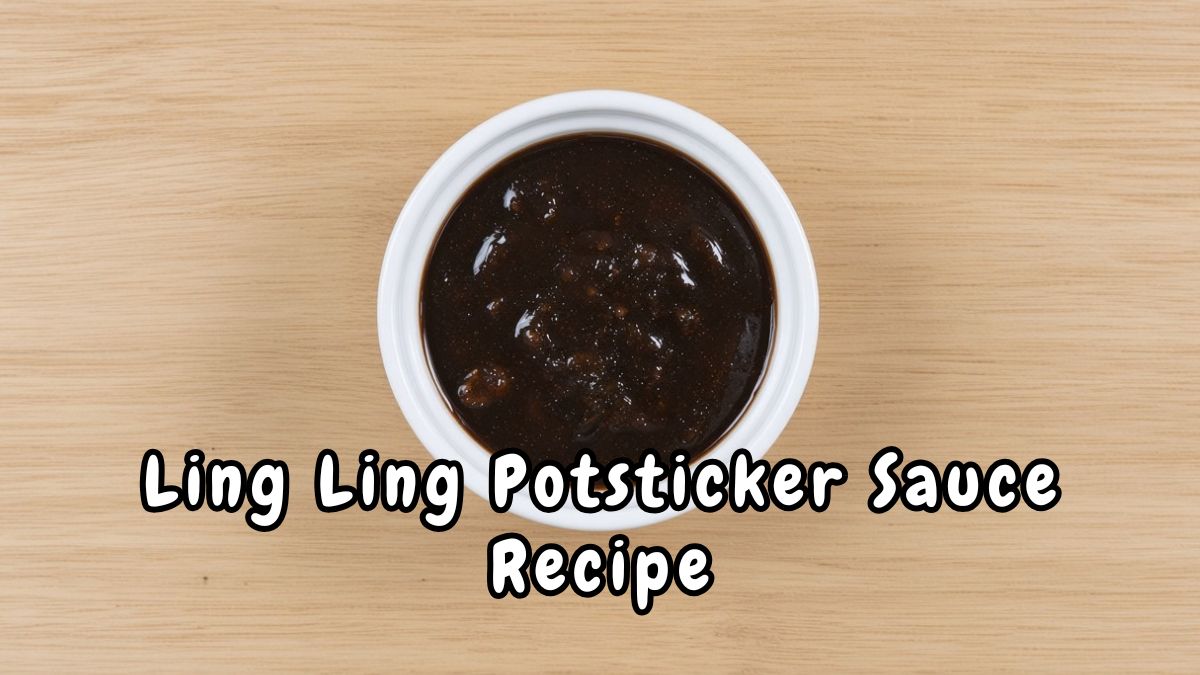
A finger swipe should leave a clean line. The color shifts from thin brown to glossy mahogany.
5. Fix Lumps or Thin Sauce: For lumps, pour the sauce through a fine strainer into a jar. For thin sauce, whisk ½ teaspoon cornstarch into 1 teaspoon cold water, stir it in, and simmer for 30 seconds. Both problems came from rushing.
A slow stream and a freshly stirred slurry prevented them in every later batch.
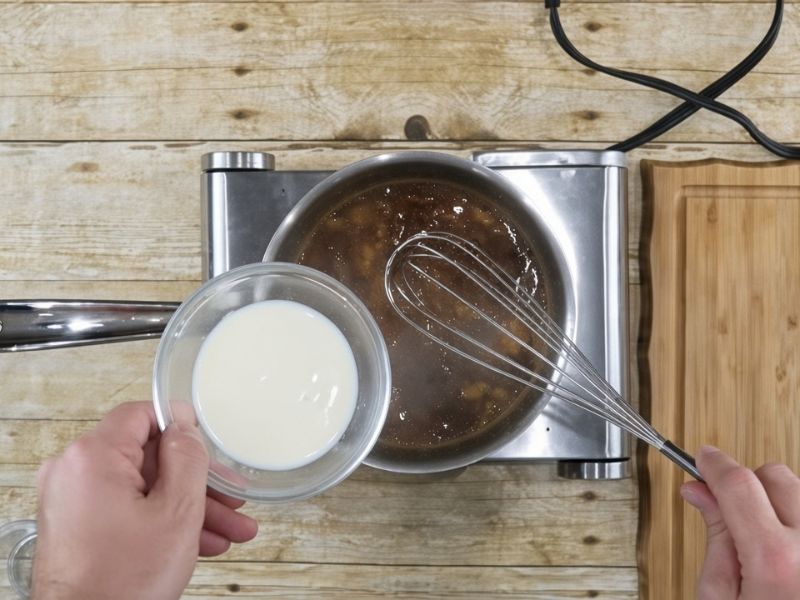
6. Finish and Cool: Pull the pan off the heat. Stir in the sesame oil. Pour the sauce into a dish, scatter the seeds on top, and let it cool for 10 minutes. A toasted, nutty smell rises at once. Cooling matters, because the sauce tightens as it drops in temperature.
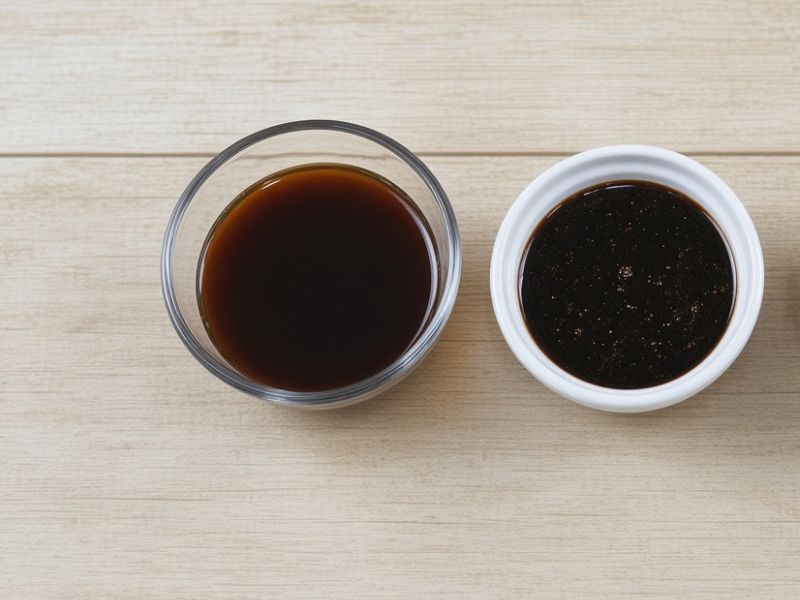
7. Cook the Potstickers: Pan-fry the potstickers while the sauce cools. The 24-ounce bag calls for 1 tablespoon of oil and frozen dumplings placed flat side down. Then the pan simmers for 8 minutes. Uncover until the water boils off.
The bottoms should turn deep gold and lift from the pan without tearing. Pale bottoms need another minute or two of uncovered heat.
Ling Ling Potsticker Sauce Recipe Tips That Actually Matter
- Metallic Aftertaste: Vinegar reacts with bare aluminum and stripped cast iron. Switch to stainless or nonstick and the taste disappears.
- Bitter Edge: Scorched garlic causes it, and it shows as tiny brown flecks. Keep the burner at medium and whisk steadily for the first minute.
- Sugar Crust: Crystals dry on the pan walls above the liquid. Brush them down with a wet silicone brush before they scorch.
- Skin on Top: Cooling sauce forms a film. Press plastic wrap onto the surface, or stir every 3 minutes until it reaches room temperature.
- Flat When Cold: Chilling dulls the tang. Stir in ¼ teaspoon rice vinegar once the jar reaches room temperature.
- Nearly Black: Dark brown sugar plus molasses can look black in a white dish. Use light brown sugar for a warmer mahogany.
How I Customize This Ling Ling Potsticker Sauce
Pineapple Sweet: Stir in 1 tablespoon drained crushed pineapple and 1 tablespoon ketchup with the base. The sauce turns fruitier and stickier. I serve it with chicken potstickers.
Orange Zest Flavor: Stir in ½ teaspoon fresh orange zest and 1 teaspoon orange juice after cooling. It adds a bright citrus note without any heat. Baked chicken nuggets are its best match.
Scallion Ginger: Fold in 1 tablespoon sliced scallion and ½ teaspoon fresh grated ginger. Raw scallion adds a green snap. Steamed dumplings suit it best.
Maple Version: Use 3 tablespoons maple syrup for the brown sugar and 3 tablespoons pot water. The flavor turns mellow and the color lighter. I pair it with vegetable dumplings.
Sunflower Butter Swirl: Whisk 1 tablespoon smooth sunflower seed butter into the warm sauce. Add warm water when it stiffens. It turns creamy and toasty. Cold sesame noodles and cucumber spring rolls are its best match.
Lime Zing: Squeeze in 1 teaspoon fresh lime juice at the very end. It sharpens the finish and cuts through grease. Fried egg rolls get this dip.
What I Serve With Ling Ling Potsticker Sauce
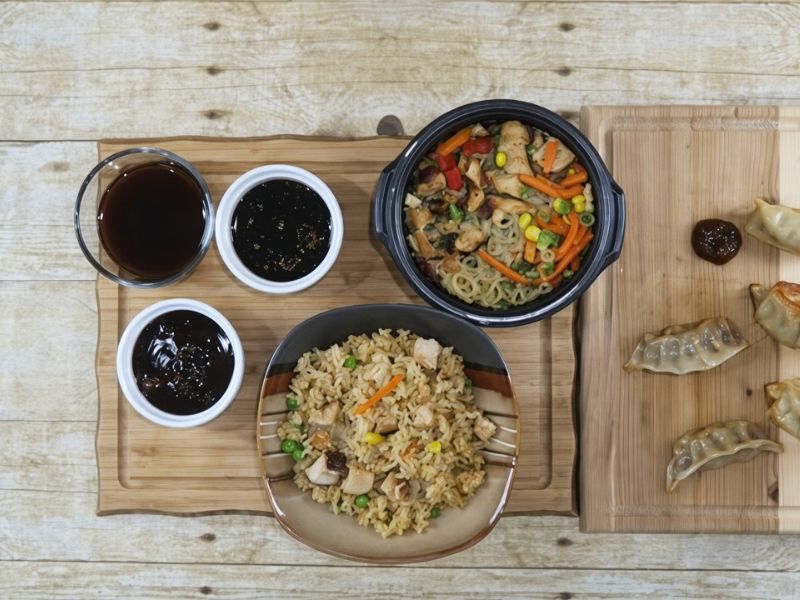
Potstickers are the obvious partner. Pan-frying gives them a crisp bottom that holds a spoonful of sauce. Boiled dumplings work too, though the sauce slides off their smooth skins. Chicken and vegetable fillings both suit it.
Egg rolls and crispy chicken tenders take a dunk well. Fried rice with scrambled egg makes a filling plate. Steamed jasmine rice soaks up the drips. Cold cucumber slices tossed with a splash of rice vinegar cool the plate between bites.
Sautéed bok choy with a little garlic adds something green. Ten minutes in a hot pan is enough. A bowl of warm edamame with flaky salt covers the snacking side. Steamed broccoli tossed with a spoonful of sauce works too.
How to Store Homemade Potsticker Sauce
Pour the cooled sauce into a clean 8-ounce Ball jar and screw on the lid. It keeps in the fridge for 7 days. The vinegar and salt help, but the fresh garlic sets the limit. Toss the sauce when it smells sour or looks fizzy.
I stick a strip of masking tape on the lid with the date. Without it, I lose track by day four. Glass is better than plastic here, since the dark sauce stains plastic. Shake the jar gently before each use.
Cold sauce turns stiff and gluey, because cornstarch tightens in the fridge. Stir in warm water, 1 teaspoon at a time, until it loosens. That is normal, not spoilage. For a warm dip, microwave it uncovered for 15 seconds and stir.
I skip the freezer. Thawed cornstarch sauce weeps water and looks spongy. A fresh batch takes only 11 minutes anyway. A cold jar also pours slowly, so measure it with a warm spoon.
Ling Ling Potsticker Sauce Recipe FAQs
1. How Much Sauce Should I Serve Per Person?
Plan on 2 tablespoons per person, which covers about five potstickers. One batch serves eight. A table of four leaves a few spoonfuls, and the sauce works cold on leftover dumplings the next day.
2. Why Is My Sauce Too Salty?
Brands of liquid aminos differ a lot in salt. Whisk in 1 tablespoon of water and 1 teaspoon of brown sugar, then simmer for 20 seconds and taste again. Repeat once at most, or the sauce turns thin.
3. Why Does My Sauce Taste Too Sharp?
Distilled white vinegar or a heavy pour is the usual cause. Stir in 1/2 teaspoon of brown sugar and taste again after two minutes. The vinegar bite also softens a little as the sauce sits.
4. Can I Use Apple Cider Vinegar?
Yes, use ¼ cup. It adds a faint fruity note, and the sauce thickens the same way. Skip raw, unfiltered bottles, since the cloudy sediment muddies the glossy look.
5. Can I Use White Sugar Instead of Brown Sugar?
Yes, in the same amount. Raise the molasses to 1½ teaspoons, since brown sugar already carries a little. Without that change, the color and depth fall short of the packet.
6. Does This Sauce Work With Other Dumplings?
Yes. It is soy-forward and not tied to one filling. Gyoza and steamed buns take it well, and spring rolls do too. Frozen store-brand dumplings work just as well as the Ling Ling ones.
7. Is Homemade Potsticker Sauce Vegan?
Yes, as written. Nothing in the sauce comes from animals, since the aminos come from soybeans and the sugars come from cane. The potstickers themselves may contain meat, so read that label separately.
8. Can I Skip the Sesame Seeds?
Yes. They only add a small crunch and a nutty smell on top. The sesame oil carries the main flavor, so the balance holds. A pinch of chopped scallion works as a garnish instead.
The jar in my fridge is nearly always half full now. Two spoonfuls of this dark, glossy sauce carry a plain bag of frozen dumplings all the way to dinner.
The packet still has a place on busy nights, but I reach for the saucepan first. Batch after batch has landed close to the original, and the molasses is the reason.
Ling Ling Potsticker Sauce Recipe
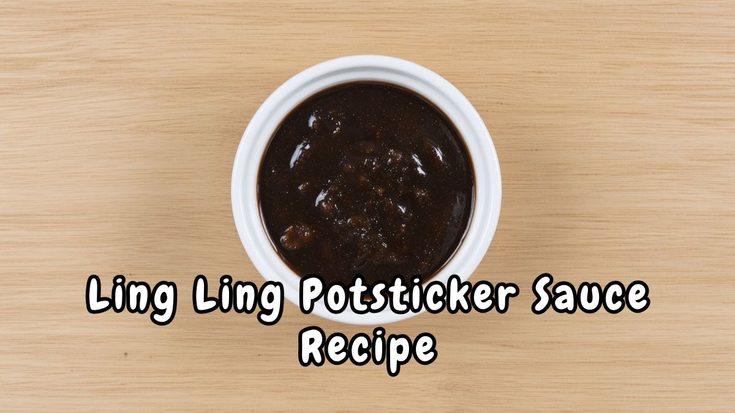
Make this Ling Ling potsticker sauce recipe at home with liquid aminos, rice vinegar, dark brown sugar, molasses, garlic, and sesame oil. Cornstarch gives it the glossy texture that clings to every crispy dumpling. Ready in just 11 minutes, this homemade dipping sauce is perfect for potstickers, gyoza, egg rolls, and other Asian-inspired appetizers.
Ingredients
- ⅓ cup liquid aminos
- ¼ cup unseasoned rice vinegar
- ¼ cup plus 2 tablespoons water, divided
- 3 tablespoons plus 1 teaspoon packed dark brown sugar
- 1 teaspoon un-sulphured molasses
- 1 medium garlic clove, finely grated
- ¼ teaspoon ground ginger
- 4 teaspoons cornstarch
- 1 teaspoon toasted sesame oil
- ½ teaspoon toasted sesame seeds, optional
Instructions
- Whisk 4 teaspoons of cornstarch into 2 tablespoons of cold water in a small bowl. Stir until completely smooth, with no dry cornstarch left at the bottom. Set it aside near the stove.
- Add the liquid aminos, vinegar, ¼ cup water, brown sugar, molasses, garlic, and ginger to a 1-quart saucepan. Whisk everything together while cold so the molasses blends easily. For the garlic, use a Microplane to make a fine paste that spreads evenly.
- Set the burner to medium and bring the sauce to a gentle simmer for about 3½ minutes, until the sugar dissolves. Small bubbles should form around the edges. Avoid a hard boil, since too much heat can reduce the vinegar and weaken the tang.
- Lower the heat and stir the cornstarch slurry again. Slowly pour it into the saucepan while whisking constantly. Simmer for about 70 seconds, until the sauce coats the back of a spoon. A finger swipe should leave a clean line through the sauce.
- For lumps, pour the sauce through a fine strainer into a jar. For a sauce that is too thin, mix ½ teaspoon cornstarch with 1 teaspoon cold water. Stir it into the sauce and simmer for another 30 seconds. Stirring the slurry well before adding it helps prevent lumps.
- Remove the saucepan from the heat and stir in the sesame oil. Pour the sauce into a dish and sprinkle the sesame seeds on top. Let it cool for about 10 minutes. The sauce will become thicker as it cools.
- While the sauce cools, cook the frozen potstickers. Add 1 tablespoon of oil to a pan and place the potstickers flat side down. Add water according to the package directions, cover, and simmer for 8 minutes. Uncover and continue cooking until the water evaporates and the bottoms become deep golden brown.
Nutrition Information:
Serving Size:
Approximate nutrition per servingAmount Per Serving: Calories: 43Total Fat: .7gSaturated Fat: .1gSodium: 700mgCarbohydrates: 8.2gFiber: .2gSugar: 6.3gProtein: 1g