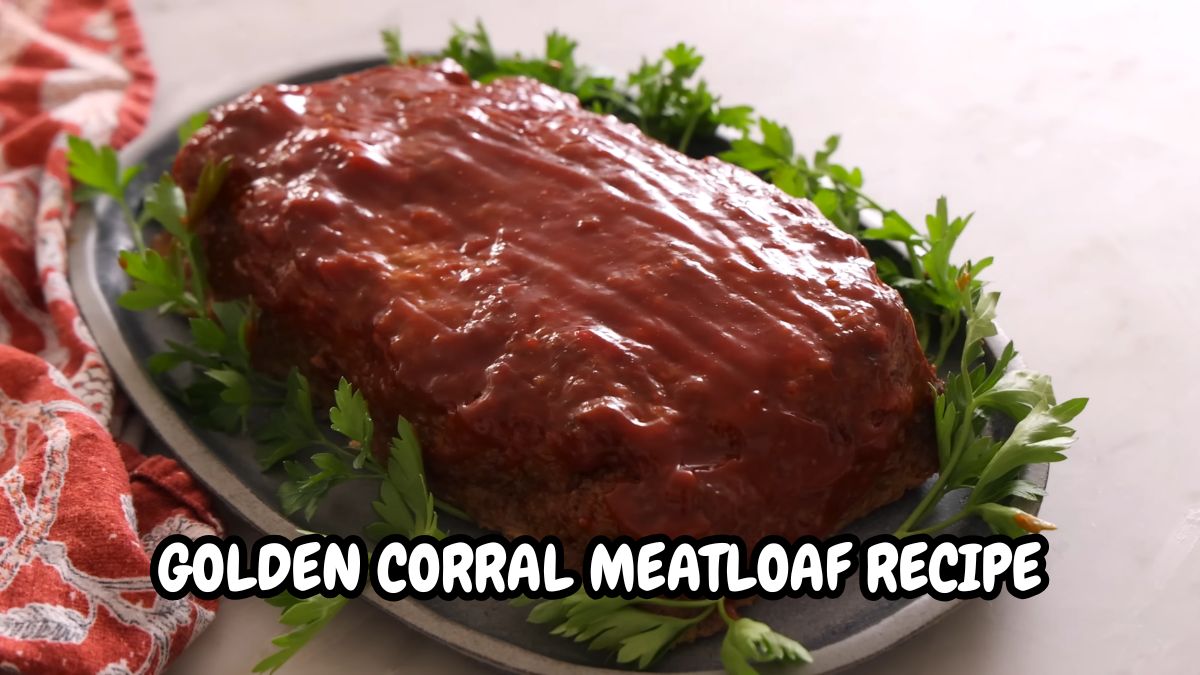
Golden Corral Meatloaf Recipe
Some meals stick with you long after the plate is cleared, and meatloaf is one of them. For me, it’s the kind of comfort food that brings back memories of a simple dinner. I’d reach for one more slice because the first one disappeared fast.
One evening, I started this Golden Corral Meatloaf Recipe, craving familiar restaurant-style flavor without a complicated dinner. After a few batches, I found the balance I wanted: a tender, moist center under a sweet, tangy glaze.
What I like is how ordinary the ingredients are, nothing unusual to track down. The real trick is not overworking the meat and keeping enough moisture, so the loaf stays tender and bakes evenly. That balance is what makes each slice worth going back for.
What Makes This Meatloaf Taste Like Golden Corral
People searching for this Meatloaf Recipe usually want that cafeteria-style plate at home. The restaurant version leans soft and holds together in slices. A tomato-based glaze sits on top, adding a sticky, tangy layer over the beef. Salt, pepper, and a little Worcestershire round out the seasoning without turning it heavy.
Golden Corral has not published an official meatloaf formula. Any recipe labeled “copycat” online is a home cook’s best guess at the flavor, not a leaked corporate recipe.
Meatloaf shows up as a regular hot entrée on both the lunch and dinner buffet in 2026. It usually sits at the meat station next to pot roast and smoked meats. Golden Corral still notes that exact offerings shift by location and day.

Ingredients for Golden Corral Meatloaf
2 pounds ground beef (80/20 blend): The extra fat keeps the loaf moist through a long bake and helps it hold together in the pan. I reach for Certified Angus Beef when my regular butcher counter has it. Leaner beef under 85/15 turns the finished loaf dry and crumbly.
1 cup finely chopped yellow onion: Onion built into the meat gives background sweetness once it’s cooked down before mixing in. I like a plain yellow onion from the produce bin over sweet onion varieties here. Chop it fine, or the pieces turn tough and separate from the beef when sliced.
3 cloves garlic, pressed: Garlic adds a sharp note that balances the sweetness from the onion and glaze. A garlic press saves time over mincing on a busy weeknight. Minced garlic from a jar works in a pinch, though the flavor turns milder.
1 tablespoon olive oil: Oil carries heat evenly so the onion softens without scorching on one side. I keep a bottle of Colavita on the counter for quick sautés like this one. Cold-pressed extra virgin works fine too, since this step doesn’t need a delicate oil.
¾ cup panko breadcrumbs: Panko soaks up the milk and egg, which keeps every slice tender instead of packed tight. I buy Kikkoman panko because the flakes stay light after baking.
For a gluten-free version, swap in gluten-free panko using the same amount.
⅓ cup whole milk: Milk loosens the panko into a paste that spreads moisture through the whole mix. Skim milk works too, though the finished texture turns a touch less rich.
2 large eggs: Eggs bind the meat and breadcrumbs so the loaf holds its shape once sliced. Two eggs is right for two pounds of meat; one egg leaves it too loose to shape.
1¼ teaspoons kosher salt: Salt seasons the meat itself, not just the outside, so every bite tastes balanced. Diamond Crystal kosher salt measures lighter than table salt, so cut this amount in half using table salt instead.
½ teaspoon black pepper: Pepper adds a mild heat that keeps the glaze from tasting one-note sweet. Freshly cracked pepper from a grinder gives sharper flavor than pre-ground pepper from a shaker. A few extra cracks never hurt, especially for those who like heat.
1 teaspoon Italian seasoning: This blend of dried herbs rounds out the meat with a savory background note. Swap in dried thyme or rosemary alone, in the same amount, for a sharper herb profile.
1 tablespoon Worcestershire sauce (for the mix): Worcestershire adds a savory, almost meaty depth that plain salt can’t reach on its own. Lea & Perrins is the bottle I keep stocked for this and for burgers.
2 tablespoons ketchup (for the mix): A small amount of ketchup in the meat mixture adds early sweetness before the glaze goes on top. Heinz is the only brand I keep in the fridge door for this.
6 tablespoons ketchup (for the glaze): This forms the base of the glaze and gives the top of the loaf its classic red color. The same Heinz bottle works here, no need for a second kind.
1 tablespoon packed brown sugar: Sugar balances the tang from the ketchup and Worcestershire, so the glaze doesn’t taste sharp. Light or dark brown sugar both work here, since the difference is small.
1 tablespoon Worcestershire sauce (for the glaze): A second small hit of Worcestershire in the glaze deepens the flavor beyond plain ketchup and sugar. Measure it straight into the same small bowl as the ketchup to save a dish.
The Kitchen Tools I Use
- Large mixing bowl: combines the meat mixture
- Medium skillet: softens onion and garlic
- 9×5-inch loaf pan: shapes an even loaf
- Rimmed sheet pan: lines under the loaf pan
- Instant-read thermometer: confirms safe doneness
- Small bowl: whisks the glaze
- Pastry brush: spreads glaze evenly
How to Make Golden Corral Meatloaf (Step by Step)
1. Heat the Oven and Prep the Vegetables: Set the oven to 350°F so it’s fully heated before the loaf goes in. Finely chop one cup of onion and press three cloves of garlic while the oven warms. I used my grandmother’s old chef’s knife for this, out of habit more than need.
2. Soften the Onion and Garlic: Warm the olive oil in a medium skillet over medium heat until it shimmers. Add the onion with a half teaspoon of salt and cook for about six minutes. Stir in the garlic and cook one more minute, stirring so it doesn’t scorch.
The onion is ready once the edges turn golden and the raw smell fades. One afternoon my son wandered in asking about dinosaurs, and the onions nearly caught before I noticed.
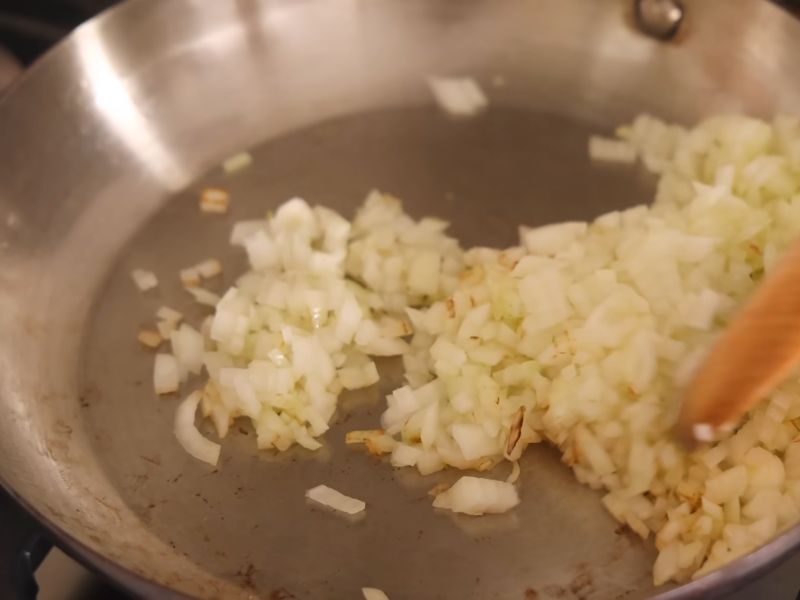
3. Cool the Mixture: Spread the cooked onion and garlic onto a plate so it cools fast. Ten minutes on the counter works, or five minutes in the fridge for a shortcut. Warm onion added directly to the eggs can start to cook them slightly, which changes the texture.
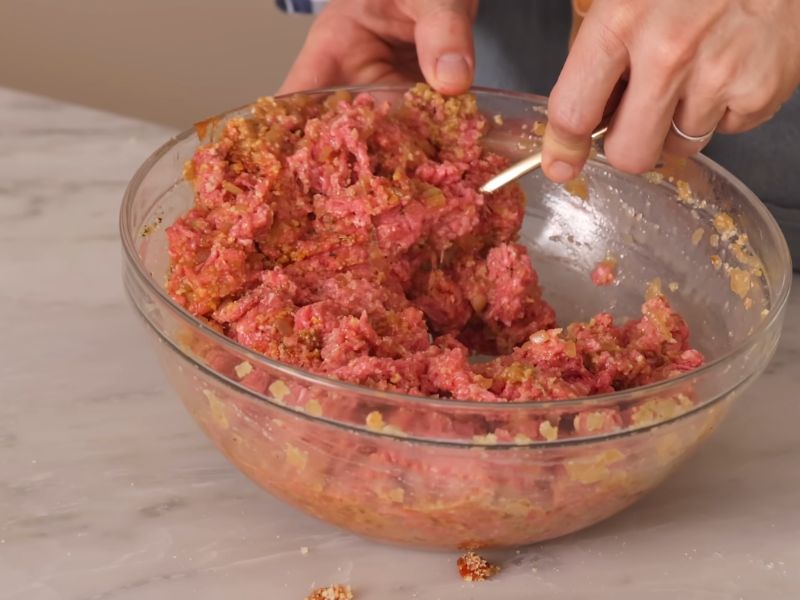
4. Mix the Meatloaf Base: In a large bowl, combine the beef, cooled onion mixture, panko, milk, and eggs. Add the salt, pepper, Italian seasoning, Worcestershire, and two tablespoons of ketchup. Mix by hand just until combined, since overmixing makes the loaf dense.
Undermixed spots leave dry breadcrumb pockets; break up clumps by hand until none remain.
5. Shape the Loaf: Wet your hands lightly, then shape the mixture into an 8 by 4 inch loaf about two inches tall. Set it on a foil-lined sheet pan or press it into a greased loaf pan.
A loaf shaped too thin dries out fast. My first test batch came out thin and dry, so now I keep the center thick.
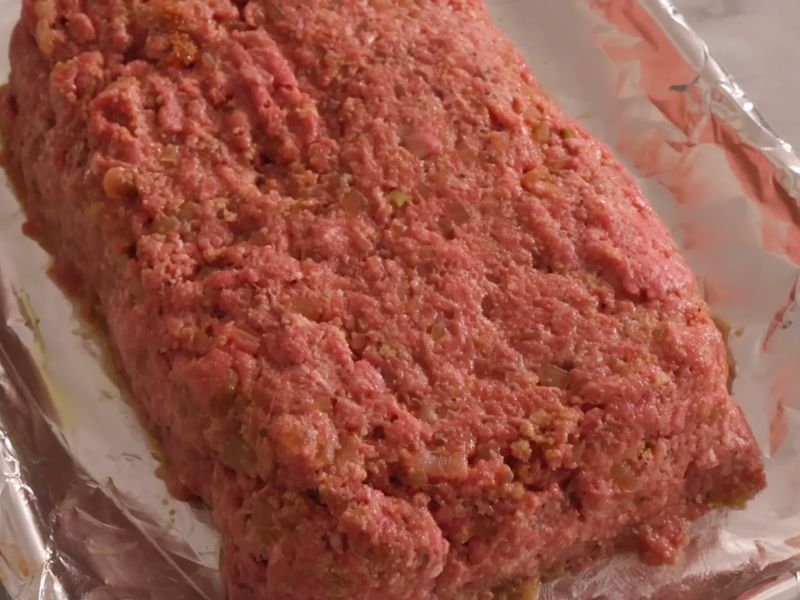
6. First Bake: Bake the loaf at 350°F for 32 minutes, until it firms up but isn’t fully cooked through yet.
The top will look pale and slightly cracked at the edges, which is normal at this stage.
7. Make and Brush the Glaze: While the loaf bakes, stir together six tablespoons of ketchup, one tablespoon of brown sugar, and one tablespoon of Worcestershire in a small bowl. Brush half of this glaze over the top and sides of the loaf.
Brushing all the glaze on at once raises the risk of burning before the center finishes cooking.
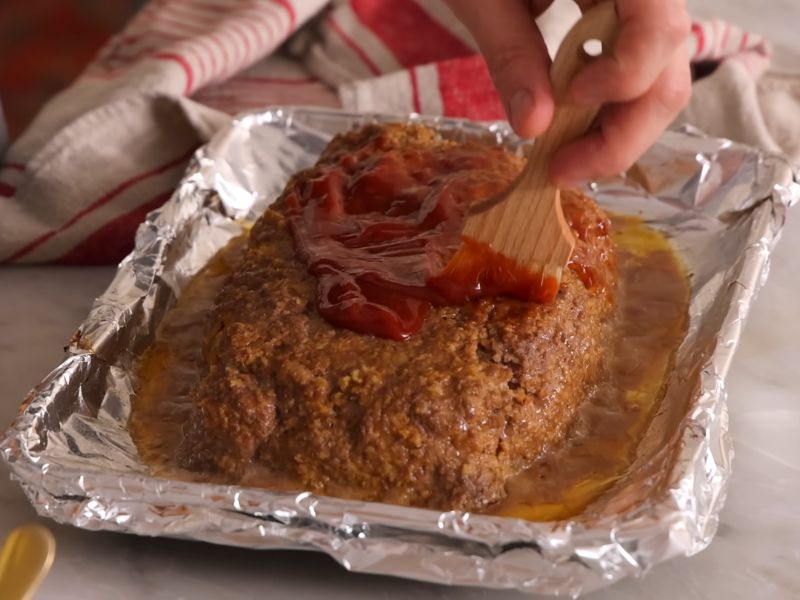
8. Finish Baking and Rest: Return the loaf to the oven for 20 to 25 minutes, until it hits 160°F inside. Let it rest 10 minutes before slicing so the juices settle instead of pooling on the board. Brush the remaining glaze on before serving for a shinier top.
Common Meatloaf Problems and How I Fix Them
1. Falls Apart When Sliced: Not enough binder is the usual cause. Add an extra egg yolk or a bit more panko next time.
2. Turns Out Dense: Overworking the meat by hand packs it tight. Mix only until everything just disappears together.
3. Turns Watery or Greasy: Beef fattier than 80/20 releases extra grease. Set the loaf on a rack over a sheet pan.
4. Turns Dry: Skipping the milk-soaked panko, or using beef leaner than 85/15, pulls moisture out fast.
5. Sticks to the Pan: Thin foil or a bare pan causes sticking. Grease well, or swap in parchment paper.
6. Glaze Burns Before the Center Cooks: Full heat scorches the sugar in the glaze. Tent foil loosely over the top near the end.
Tips for the Best Golden Corral Meatloaf
1. Mix Just Until Combined: Overworking the beef by hand makes the texture tight instead of tender.
2. Keep the Fat Content Up: 80/20 beef carries enough fat to stay moist through a long bake.
3. Let the Panko Fully Soak: Give the milk a minute to soak into the breadcrumbs before mixing in the meat.
4. Chop the Vegetables Fine: Small, even onion and garlic pieces blend into the meat instead of clumping in bites.
5. Brush the Glaze in Two Stages: Half goes on partway through baking, half after, so the top builds flavor without burning.
6. Rest Before Slicing: Ten minutes off the heat lets the juices settle back into the meat instead of the cutting board.
Easy Variations to Change Up the Golden Corral Meatloaf
Bacon-Wrapped Version: Wrap the shaped loaf in four strips of bacon before the first bake. The bacon crisps and adds a smoky edge to every slice. I set this one out for Sunday dinners when my brother-in-law visits.
Cheesy Center: Press a line of shredded cheddar into the middle of the meat before sealing the loaf shut. The cheese melts into a warm pocket once sliced. This one disappears fastest at potlucks.
Spicy Kick: Stir a teaspoon of hot sauce and a pinch of cayenne into the meat mixture. The heat cuts through the sweet glaze nicely. I serve this alongside cooling coleslaw.
Turkey Swap: Replace the ground beef with 93/7 ground turkey and add an extra egg for moisture. The texture turns lighter, though the loaf needs closer watching near the end of baking.
Mushroom and Onion: Sauté a cup of diced mushrooms along with the onion for an earthier flavor. This version pairs well with a simple green salad on busy weeknights.
BBQ Glaze Swap: Replace the ketchup-based glaze with a half cup of bottled barbecue sauce. The flavor turns smokier and slightly sweeter. This is the version my father-in-law asks for every time.
What I Like to Serve With Golden Corral Meatloaf
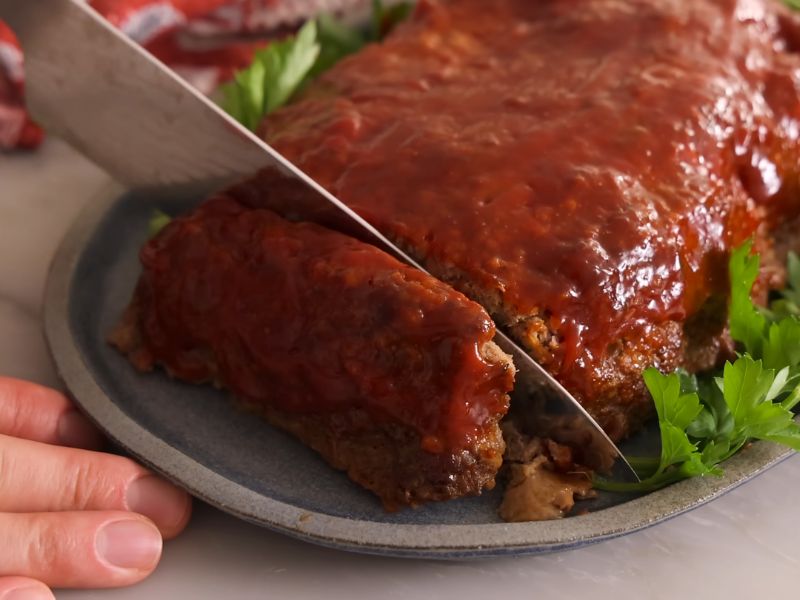
Slice the loaf once it’s warm, not hot, so the center holds its shape under the knife. A wide, thin blade with a gentle sawing motion keeps each piece intact. Serving it too hot makes the slices crumble more than they should.
Mashed potatoes with brown gravy make the classic pairing for this plate. Buttered corn, green beans, and a soft dinner roll round out a full tray, cafeteria style. A drizzle of extra glaze over the potatoes ties everything together.
Macaroni and cheese is another cafeteria-style side that fits right alongside this dish. Its creamy texture balances the tang from the glaze on top of the meat. It also reheats well, which makes it easy to prep the day before.
For a full plate, pair a slice with warm rolls and a scoop of coleslaw on the side. A small dish of extra glaze lets everyone add more at the table.
Can You Make This Meatloaf Ahead of Time?
You can mix the meatloaf the night before and hold it, covered, in the fridge for up to 24 hours before shaping and baking. This works well for a holiday table with too many dishes competing for oven time. This also lets the flavors settle together overnight.
Baked and cooled, it holds for four to 5 days in the fridge. Store it in an airtight container or wrap it tightly in plastic. For a bigger crowd, bake two smaller loaves side by side instead of one large one.
Freeze it baked or unbaked; both hold for up to 3 months. Wrap it tightly and seal it in a freezer bag to prevent freezer burn. Freezing it unbaked, already shaped, saves a step on a busy weeknight later.
Slice it before freezing so you can thaw single portions instead of the whole loaf at once. Reheat slices covered in a low oven, around 300°F, so they warm through without drying out.
How I Turn Leftover Meatloaf Into Easy Meals
Leftover meatloaf makes an excellent cold or reheated sandwich, best used within 3 to 4 days of baking. Slice it thin, warm it lightly, and add it to bread with extra ketchup or barbecue sauce.
Crumble extra slices into a skillet with beef broth for a quick meatloaf hash. This works best the morning after baking, while the meat is still fresh.
A toasted bun with melted cheddar and a smear of mayo turns leftovers into a fast lunch. Keep leftovers no longer than 4 days before using them this way. A quick run through a hot skillet crisps the edges of each slice nicely.
Golden Corral Meatloaf Recipe FAQs
1. What is the best temperature for meatloaf?
350°F for most of the bake, finishing at 160°F internal temperature, gives an evenly cooked loaf without a dry exterior.
2. Can I make it without a loaf pan?
Yes. Shape it by hand on a foil-lined sheet pan instead. This also lets the glaze caramelize over more surface area.
3. Can I make it in an air fryer?
Small, individual loaves work in an air fryer basket at 350°F. Check with a thermometer around the 20-minute mark. This method works best for smaller portions rather than one full-sized loaf.
4. Is homemade Golden Corral meatloaf cheaper?
Yes, in most cases. Ground beef and pantry staples make this cheaper per serving than a restaurant plate. Local grocery prices can shift that math a little. Portion control at home also helps stretch the budget further.
5. How does this compare with traditional homemade meatloaf?
Traditional homemade meatloaf often skips the ketchup glaze and leans on milder seasoning. This version adds a sweeter, tangier top layer closer to a cafeteria-style plate. Both share the same core method, just with different seasoning choices.
Golden Corral Meatloaf Recipe
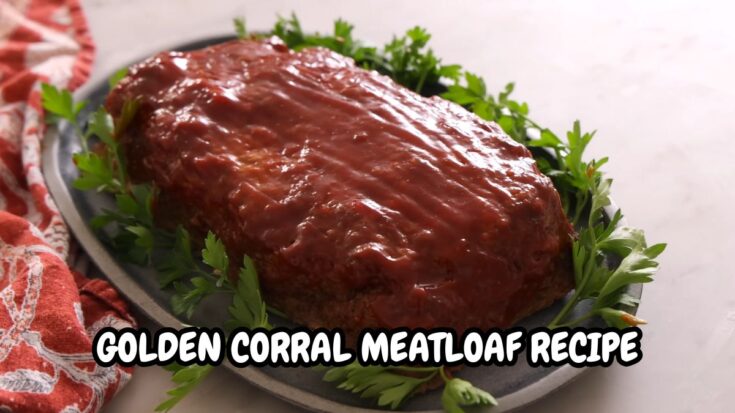
Golden Corral Meatloaf Recipe with tender beef, panko, sautéed onion, and a sweet-tangy ketchup glaze for an easy comfort-food dinner.
Ingredients
- 2 pounds ground beef (80/20 blend)
- 1 cup finely chopped yellow onion
- 3 cloves garlic, pressed
- 1 tablespoon olive oil
- ¾ cup panko breadcrumbs
- ⅓ cup whole milk
- 2 large eggs
- 1¼ teaspoons kosher salt
- ½ teaspoon black pepper
- 1 teaspoon Italian seasoning
- 1 tablespoon Worcestershire sauce, for the meat mixture
- 2 tablespoons ketchup, for the meat mixture
- 6 tablespoons ketchup, for the glaze
- 1 tablespoon packed brown sugar
- 1 tablespoon Worcestershire sauce, for the glaze
Instructions
- Set the oven to 350°F so it’s fully heated before the loaf goes in. Finely chop one cup of onion and press three cloves of garlic while the oven warms. I used my grandmother’s old chef’s knife for this, out of habit more than need.
- Warm the olive oil in a medium skillet over medium heat until it shimmers. Add the onion with a half teaspoon of salt and cook for about six minutes. Stir in the garlic and cook one more minute, stirring so it doesn’t scorch.
- The onion is ready once the edges turn golden and the raw smell fades. One afternoon my son wandered in asking about dinosaurs, and the onions nearly caught before I noticed.
- Spread the cooked onion and garlic onto a plate so it cools fast. Ten minutes on the counter works, or five minutes in the fridge for a shortcut. Warm onion added directly to the eggs can start to cook them slightly, which changes the texture.
- In a large bowl, combine the beef, cooled onion mixture, panko, milk, and eggs. Add the salt, pepper, Italian seasoning, Worcestershire, and two tablespoons of ketchup. Mix by hand just until combined, since overmixing makes the loaf dense.
- Undermixed spots leave dry breadcrumb pockets; break up clumps by hand until none remain.
- Wet your hands lightly, then shape the mixture into an 8 by 4 inch loaf about two inches tall. Set it on a foil-lined sheet pan or press it into a greased loaf pan.
- A loaf shaped too thin dries out fast. My first test batch came out thin and dry, so now I keep the center thick.
- Bake the loaf at 350°F for 32 minutes, until it firms up but isn’t fully cooked through yet.
- The top will look pale and slightly cracked at the edges, which is normal at this stage.
- While the loaf bakes, stir together six tablespoons of ketchup, one tablespoon of brown sugar, and one tablespoon of Worcestershire in a small bowl. Brush half of this glaze over the top and sides of the loaf.
- Brushing all the glaze on at once raises the risk of burning before the center finishes cooking
- Return the loaf to the oven for 20 to 25 minutes, until it hits 160°F inside. Let it rest 10 minutes before slicing so the juices settle instead of pooling on the board. Brush the remaining glaze on before serving for a shinier top.
Nutrition Information:
Yield:
8Serving Size:
1Amount Per Serving: Calories: 365
No official version of this dish has ever been published. So every copycat online is one cook’s best guess, mine included. That’s why Golden Corral Meatloaf Recipe differ so much from site to site.