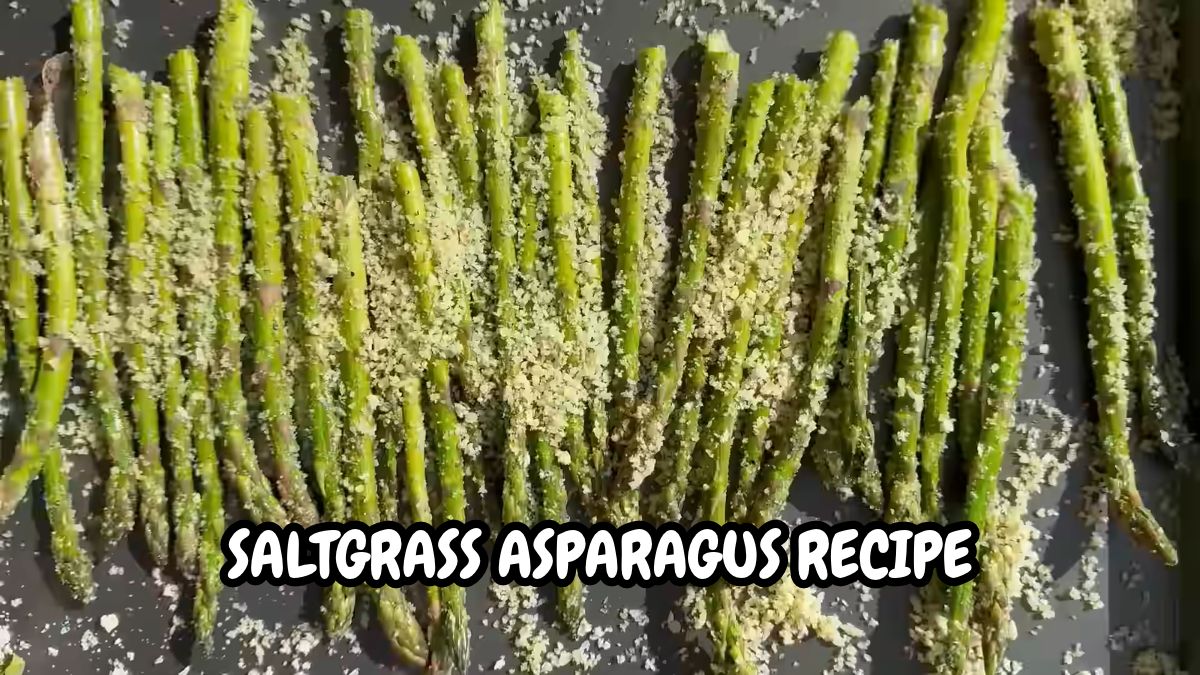
Saltgrass Asparagus Recipe
My brother had just flown home from Houston, and the night before, he had dinner at Saltgrass Steak House. He couldn’t stop talking about the asparagus he’d enjoyed with his steak. Meanwhile, a ribeye was resting on the cutting board at home, but there wasn’t a green vegetable in sight.
That’s when I thought, why not try the Saltgrass Asparagus Recipe and surprise him with a homemade version of his favorite side dish?
Most homemade versions miss the mark in a few familiar ways. The asparagus spears turn limp in the pan, the garlic scorches before everything else is ready, and the finishing touch of lemon is often forgotten.
Before You Touch Your Skillet
A few readers should take a closer look at the ingredient list before getting started. Garlic and asparagus contain fermentable carbohydrates, so anyone following a low-FODMAP diet should pay attention to portion sizes and individual tolerances.
Those taking warfarin should also keep their vitamin K intake consistent and consult their healthcare provider about any dietary changes.
There’s also some debate among home cooks about the best way to trim asparagus. Snapping each spear by hand is quick and allows it to break naturally near the woody end.
Trimming with a knife, however, can reduce waste by preserving more of the tender stalk. I prefer snapping mine because it takes about 20 seconds and requires no knife.
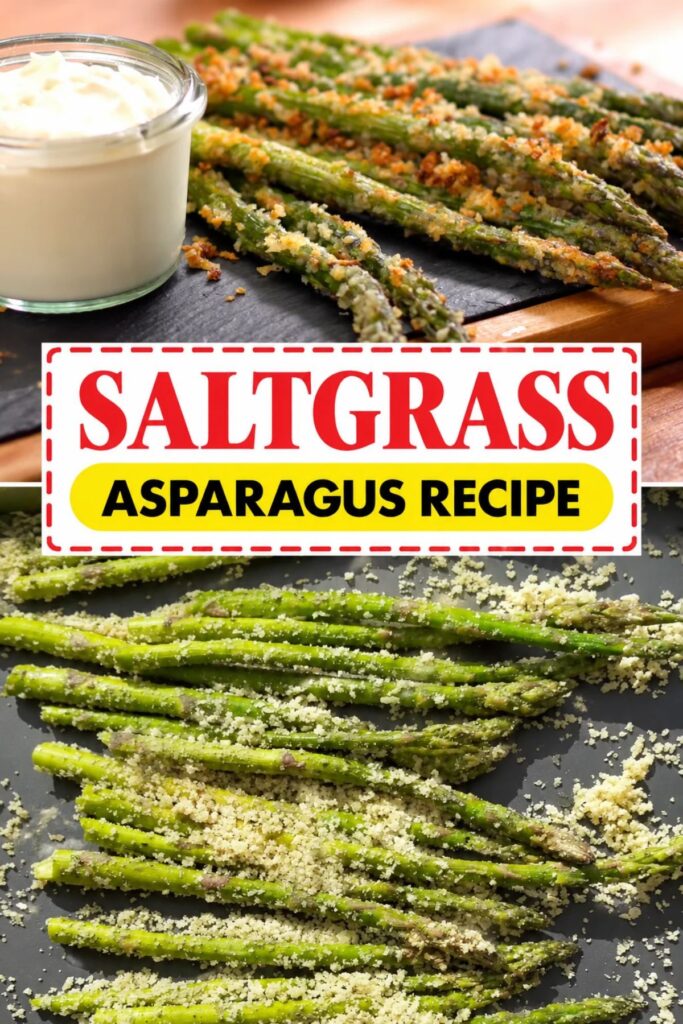
Why Skillet Asparagus Turns Soggy, and the Fix
Keep in mind that this recipe uses pan-searing rather than deep-frying. Cooking asparagus in a hot skillet creates beautifully browned edges while preserving its natural texture. If you’re looking for a battered, extra-crispy coating, this recipe isn’t the right fit. Instead, it focuses on simple, skillet-seared asparagus with a flavorful finish.
The key to avoiding soggy asparagus is to keep the spears dry and avoid overcrowding the pan. Excess moisture turns to steam, softening the asparagus before it has a chance to brown.
I learned this firsthand when my first test batch of about 1½ pounds of spears piled up in a 10-inch pan, leaving a puddle at the bottom. Switching to a 12-inch Lodge cast-iron skillet solved the problem.
Spear thickness also determines cooking time. Pencil-thin spears take about 4 minutes, while thicker, finger-width stalks need around 7 minutes. Thick asparagus can have a tough lower third, so peel that section with a vegetable peeler before cooking.
Ingredients for Saltgrass Asparagus
1 pound asparagus (18 to 20 medium spears): This is the whole dish, so freshness matters. Tight, closed tips and firm, squeaky stalks mean the spears will sear instead of sag. I buy rubber-banded bunches at Trader Joe’s and rinse them only before cooking.
Pencil-thin spears work in place of medium ones. Cut the cooking to about 4 minutes.
1 tablespoon avocado oil: Oil carries heat into the spears and keeps them from sticking to the pan. Avocado oil handles medium-high heat without smoking, and I reach for Chosen Foods. Swap in extra virgin olive oil and expect a grassy note. It smokes sooner, so drop the heat a notch.
1 tablespoon plus 1 teaspoon salted butter, divided: Half goes in with the garlic. The other half goes in at the end and melts into a glossy coat on each spear. I use Kerrygold, which has more butterfat and browns slowly.
Unsalted butter works well, with an extra ⅛ teaspoon of salt. For dairy-free eaters, vegan butter sticks work, though the finish turns thinner and less rounded.
2 medium garlic cloves, finely minced (about 2 teaspoons): Garlic is the steakhouse link here, since Saltgrass tops its steaks with garlic butter. Mince it fine so it softens in 20 seconds. Pick heads with tight skins, because sprouting cloves turn bitter.
Garlic powder works when fresh is missing. Use ¼ teaspoon, stir it into the finishing butter, and expect a milder, rounder note.
½ medium lemon (about 1½ tablespoons juice): Acid cuts through the butter, so the dish never feels heavy beside a steak. Add it off the heat to keep the green vivid. Roll the lemon under your palm first to loosen more juice. Bottled juice works at 1 tablespoon, though it has less aroma than a fresh lemon with its peel oils.
¾ teaspoon kosher salt (scant): Salt seasons the surface as the spears sear. I use Diamond Crystal, which is lighter by volume than Morton. Salted butter adds more, so taste before adding extra at the end. With Morton kosher, cut the amount to ½ teaspoon. Fine sea salt needs the same cut.
¼ teaspoon freshly ground black pepper: Coarse flecks of pepper cut into the buttery finish and stay visible on the spears. Grind it right before cooking, since pre-ground loses aroma within weeks. I keep a Peugeot mill by the stove. Pre-ground pepper works at the same amount, though the bite is blunter.
⅛ teaspoon red pepper flakes (optional): A pinch echoes the red pepper flakes on the chain’s crab-topped steaks. The flakes bloom in the hot butter and spread a mild heat over the spears. Leave them out for young kids. Aleppo pepper works in place of flakes, with a fruitier, gentler heat at the same amount.
1 tablespoon finely chopped flat-leaf parsley (optional): Parsley adds a grassy note against the garlic butter and gives the platter color. Chop it right before serving so the edges stay green. A bunch lasts about a week in a water glass in the fridge. Chives work in place of parsley, with a light onion note.
Tools I Recommend for This Recipe
- 12-inch skillet: Cast iron or stainless
- Paper towels: Dries every spear
- Tongs: Turn without bruising tips
- Chef’s knife: Mince garlic, halve lemon
- Fork: Doneness test
How to Make Saltgrass Asparagus
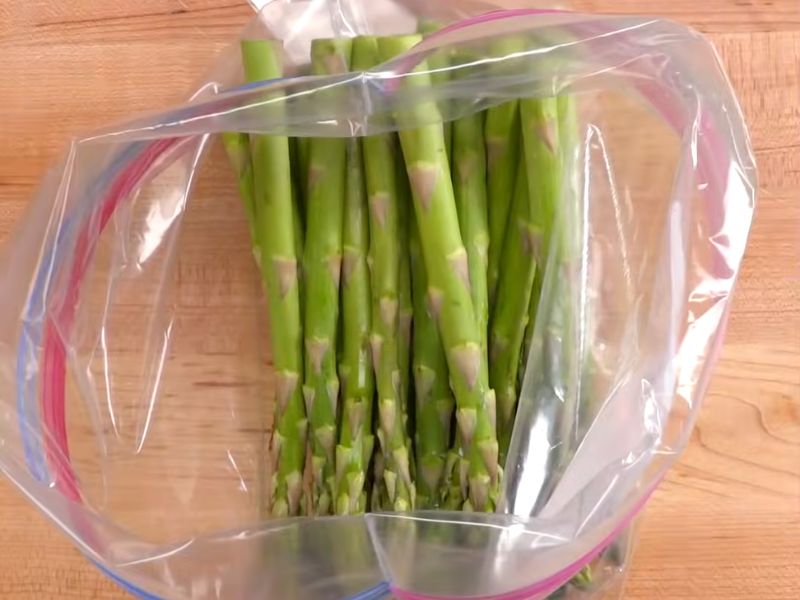
1. Snap and Dry the Spears: Rinse the asparagus, then hold each spear at both ends and bend. It breaks where the tough part ends, usually 1 to 1 ½ inches up. Blot every spear with paper towels until no water shows.
On my first run, I skipped the drying. The pan hissed for a full minute, and the spears never browned. Now they sit on a clean dish towel for 5 minutes while the pan heats.
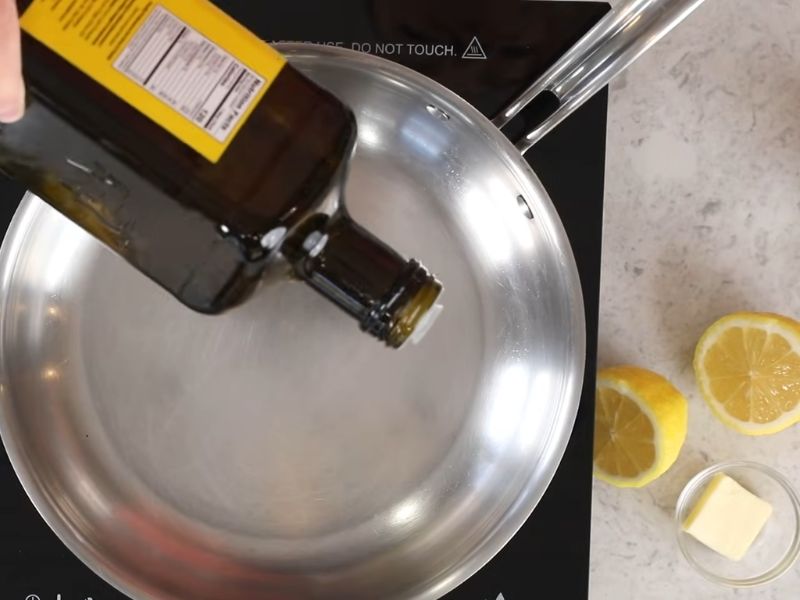
2. Heat the Skillet: Set a 12-inch skillet over medium-high heat. On my stove, that is setting 7 out of 10. Add 1 tablespoon avocado oil and tilt the pan. After about 90 seconds, the oil should shimmer.
A thin wisp of smoke means the pan is too hot. Turn the dial down a notch and wait 20 seconds. I switched on the exhaust fan too, since July in a small kitchen gets warm fast.
3. Sear and Toss: Lay the spears in a single layer with small gaps. Add a scant ¾ teaspoon kosher salt and the pepper. Toss with tongs every 30 seconds for about 3 minutes. Look for jade green skin with a few brown freckles.
A puddle in the pan means the spears were wet or crowded. Pour it off and cook 60 seconds longer to dry the pan out.
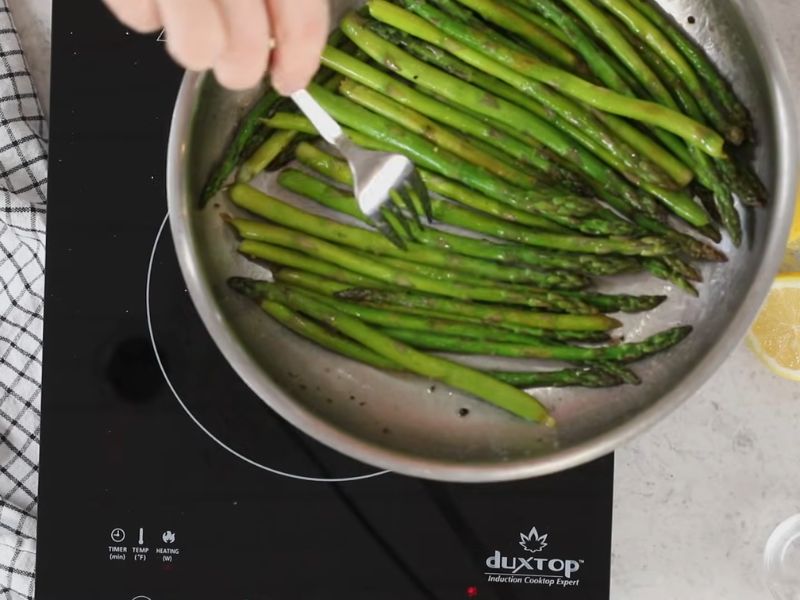
4. Add the garlic: Slide the spears to one side and lower the heat to medium. Add 2 teaspoons of the butter and all the garlic to the open space. Stir for 20 seconds, then toss everything together.
Garlic should smell sweet and look pale gold. Brown garlic turns bitter, so lift the pan off the burner when it darkens. My cast iron holds heat for a long time, so lifting it matters.
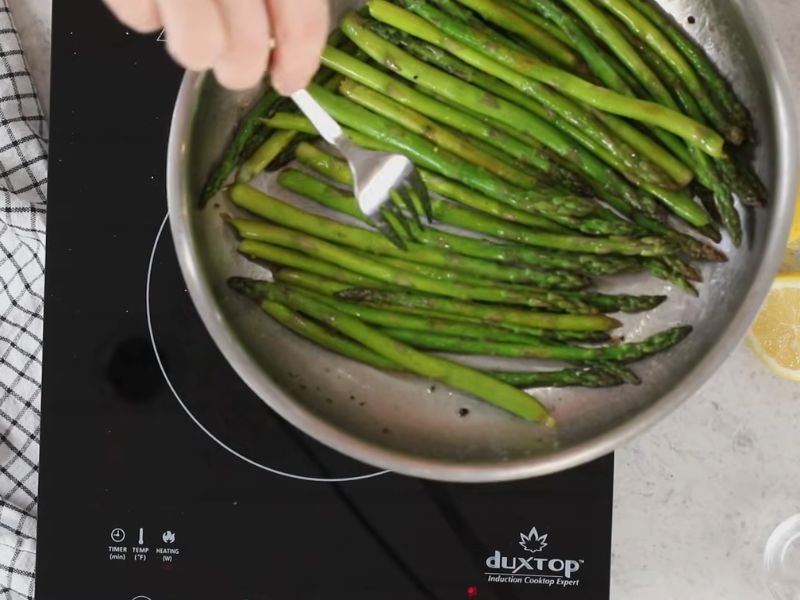
5. Test for Doneness: Pierce the thickest spear with a fork once the total cook time reaches about 5 minutes. It should meet slight resistance. Pull the pan now, because heat carries on cooking the spears.
The tips should look glossy, not wrinkled. Wrinkled tips mean you went a minute too long, so pull the pan sooner next time.
6. Finish and Serve: Take the pan off the heat and stir in the remaining 2 teaspoons butter and the lemon juice. Toss until the butter melts into a glossy coat. Scatter on the parsley and red pepper flakes.
Move the spears to a warm platter right away, since they keep softening in the hot pan. Serve within 2 minutes. My dad ate a third of the platter before the steak was sliced.
Tips, Tricks, and Common Mistakes to Avoid
1. Split Butter: Greasy, separated butter means the pan was still too hot. Add 1 tablespoon water and swirl for 10 seconds.
2. Uneven Doneness: Mixed spear widths cook at different rates. Start the thick spears first and add thin ones 90 seconds later.
3. Pale Spears: No browning means the pan cooled when the spears landed. Preheat 30 seconds longer and leave the first 45 seconds untouched.
4. Limp Tips: Tips cook fastest and soften first. Keep them toward the cooler edge of the pan.
5. Flat Finish: Plated spears that taste flat usually need acid. Add ½ teaspoon more lemon juice and taste between additions.
6. Scorched Butter: Brown bits from the spears can burn once the garlic goes in. Wipe the cleared space with a paper towel first.
Delicious Variations on Saltgrass Asparagus
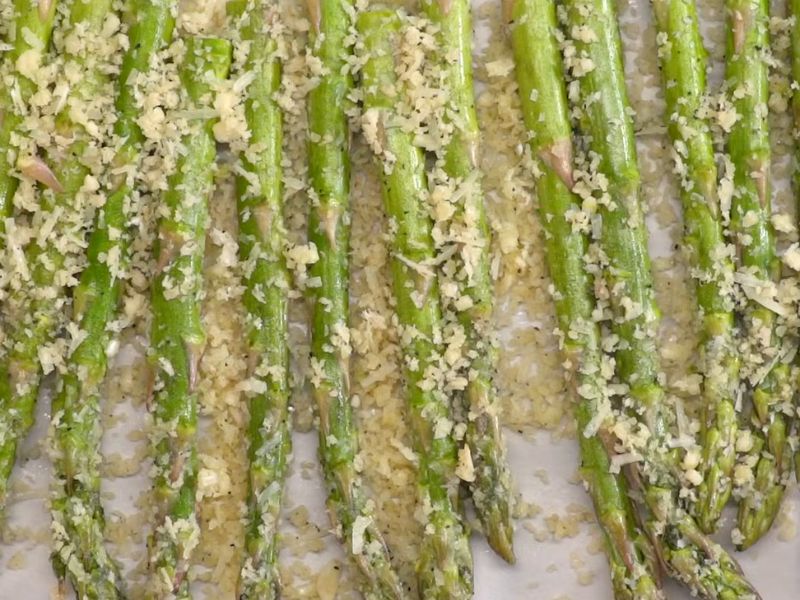
Parmesan Lace: Toss in 2 tablespoons finely grated Parmesan during the last 30 seconds. It melts into a frosty, golden crust on the spears. I serve this one beside roast chicken.
Crab Oscar Style: Fold 4 ounces of lump crab meat into the finishing butter for 1 minute. This copies the crab-topped steaks on the chain’s menu. I spoon it over filet.
Caper and Zest: Add 1 tablespoon drained capers and the lemon zest with the garlic. The brine cuts through the butter. I pair it with pan-seared salmon.
Toasted Almond: Scatter 2 tablespoons sliced almonds, toasted in a dry pan for 2 minutes. They add a nutty crunch that the soft spears lack. I serve this one with grilled chicken.
Hot Honey Glaze: Drizzle 2 teaspoons hot honey over the spears at the end. The sweetness balances the lemon. I serve it with burgers.
Fried Egg Brunch: Top the spears with a fried egg and extra black pepper. The yolk runs into the garlic butter and acts as a sauce. I cook this on slow Sunday mornings.
What to Serve with Saltgrass Asparagus
Steak is the natural partner. A seared ribeye or filet shares the garlic butter, so the plate reads as one dish. A split baked potato with sour cream rounds it out.
Lighter dinners work too. Roast chicken thighs, pan-seared salmon, or garlic shrimp all handle the lemon well. My brother likes the spears over rice with a fried egg on top. My dad wants them next to meatloaf, and the garlic butter holds up fine there.
A wedge salad with a light blue cheese dressing keeps the table balanced. Warm bread soaks up the lemon butter left on the platter. Roasted baby carrots add a sweet counterpoint.
Storage Tips
Cooled asparagus keeps for 3 days in the refrigerator. Let it cool on a plate for 15 minutes first, because sealed warm spears steam themselves soft. Label the lid with the date, since day 4 spears develop a sour smell.
I pack it in a glass container lined with a folded paper towel. The towel soaks up the moisture that gathers from the butter and lemon. Keep the spears in a single layer when you can, since piles go soggy faster.
Reheat in a skillet over medium-high heat for 90 seconds with 1 teaspoon of butter. Skip the microwave, which steams the spears into limp, wet strands. A fresh squeeze of lemon afterward brings back the brightness that cold storage dulls.
Freezing is not worth it. Glass beats plastic here, since garlic odors cling to plastic lids. Asparagus holds so much water that thawed spears turn mushy.
Creative Ways To Use Up Your Leftovers
Use the leftovers within 2 days, while the spears still hold their shape. After that, they turn too soft to chop cleanly. Cold spears can go straight into salads at the same 2-day mark.
For a frittata, chop the spears into 1-inch pieces. Whisk 6 eggs with ¼ cup grated Parmesan, pour into an oiled 10-inch ovenproof skillet, and add the spears. Bake at 375°F for about 14 minutes, until the center stops jiggling.
For a quick lunch, toss the chopped spears into hot pasta with a splash of pasta water. Add extra lemon zest and it is ready in 10 minutes.
Saltgrass Asparagus Recipe FAQs
1. Can I use frozen asparagus?
Yes, but roast it instead of searing it. Spread frozen spears on a sheet pan at 425°F for about 12 minutes without thawing. In a skillet, the melting ice floods the pan and steams the spears.
2. How do I keep raw asparagus fresh?
Stand the bunch upright in a jar with 1 inch of water. Loosely cover the tips with a bag and refrigerate. Change the water every 2 days, and the bunch lasts about 4 days.
3. What is in the Saltgrass steak seasoning?
The chain calls it saltgrass-7 seasoning, and I could not find the blend listed anywhere. This recipe skips it and relies on kosher salt, black pepper, and garlic butter for the steakhouse feel.
4. How many spears does one serving need?
Plan on 4 to 5 medium spears per person, which is about 4 ounces. One pound covers four servings. A larger crowd needs a second pound and a second pan.
5. How spicy is this asparagus?
Barely spicy at ⅛ teaspoon red pepper flakes, which only adds a faint warmth. Use ¼ teaspoon for a clear kick, or skip the flakes entirely for a mild plate.
6. Should I blanch the spears first?
Not for this recipe. Blanching adds a pot and an ice bath, and 6 minutes in a hot skillet cooks medium spears through. It only helps with very thick stalks.
7. Why does urine smell odd after eating asparagus?
The body breaks down asparagusic acid into sulfur compounds. They are harmless. Genetics decide who can detect the smell, so some people never notice it at all.
8. Is this recipe keto-friendly?
Yes. One 4-ounce serving carries roughly 4 grams of carbs and 2 grams of fiber, so net carbs land near 2 to 3 grams. The dish is also gluten-free.
9. Can I cook it in a nonstick pan?
Yes, but stay at medium heat, since high heat wears down nonstick coatings. Browning will be lighter than in cast iron, and the cook time may stretch by a minute.
Saltgrass Asparagus Recipe
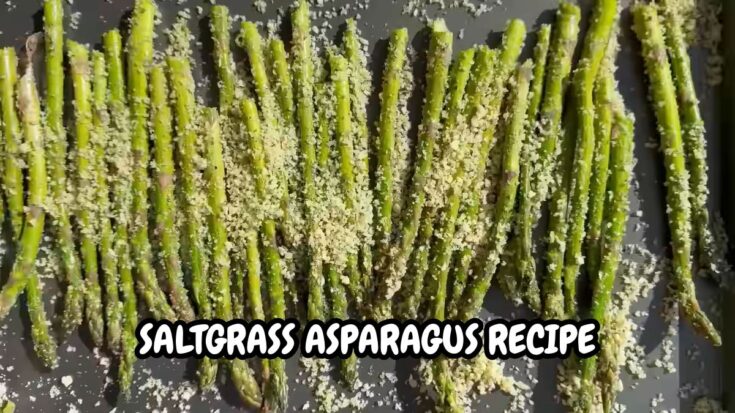
Saltgrass Asparagus Recipe seared in one skillet with garlic butter and lemon, no deep fryer needed. Ready in 14 minutes.
Ingredients
- 1 pound asparagus
- 1 tablespoon avocado oil
- 1 tablespoon plus 1 teaspoon salted butter, divided
- 2 medium garlic cloves, finely minced
- ½ medium lemon, juiced (about 1½ tablespoons)
- ¾ teaspoon kosher salt (scant)
- ¼ teaspoon freshly ground black pepper
- ⅛ teaspoon red pepper flakes (optional)
- 1 tablespoon finely chopped flat-leaf parsley (optional)
Instructions
- Rinse the asparagus, then hold each spear at both ends and bend. It breaks where the tough part ends, usually 1 to 1 ½ inches up. Blot every spear with paper towels until no water shows.
- On my first run, I skipped the drying. The pan hissed for a full minute, and the spears never browned. Now they sit on a clean dish towel for 5 minutes while the pan heats.
- Set a 12-inch skillet over medium-high heat. On my stove, that is setting 7 out of 10. Add 1 tablespoon avocado oil and tilt the pan. After about 90 seconds, the oil should shimmer.
- A thin wisp of smoke means the pan is too hot. Turn the dial down a notch and wait 20 seconds. I switched on the exhaust fan too, since July in a small kitchen gets warm fast.
- Lay the spears in a single layer with small gaps. Add a scant ¾ teaspoon kosher salt and the pepper. Toss with tongs every 30 seconds for about 3 minutes. Look for jade green skin with a few brown freckles.
- A puddle in the pan means the spears were wet or crowded. Pour it off and cook 60 seconds longer to dry the pan out.
- Slide the spears to one side and lower the heat to medium. Add 2 teaspoons of the butter and all the garlic to the open space. Stir for 20 seconds, then toss everything together.
- Garlic should smell sweet and look pale gold. Brown garlic turns bitter, so lift the pan off the burner when it darkens. My cast iron holds heat for a long time, so lifting it matters.
- Pierce the thickest spear with a fork once the total cook time reaches about 5 minutes. It should meet slight resistance. Pull the pan now, because heat carries on cooking the spears.
- The tips should look glossy, not wrinkled. Wrinkled tips mean you went a minute too long, so pull the pan sooner next time.
- Take the pan off the heat and stir in the remaining 2 teaspoons butter and the lemon juice. Toss until the butter melts into a glossy coat. Scatter on the parsley and red pepper flakes.
- Move the spears to a warm platter right away, since they keep softening in the hot pan. Serve within 2 minutes. My dad ate a third of the platter before the steak was sliced.
Nutrition Information:
Yield:
4Serving Size:
1Amount Per Serving: Calories: 95
Spears must be bone dry before they hit the pan. Serve within 2 minutes of finishing.